Industrial macaroni projects are often compared from the extruder onward, yet the product reaching the extruder is created by ingredient preparation, mixing, and feeding. If flour identity, water addition, batch timing, and mixed-material condition are not recorded, a trial team cannot explain why extrusion behavior changed. The right starting point is a traceable upstream brief, not a universal dough recipe.
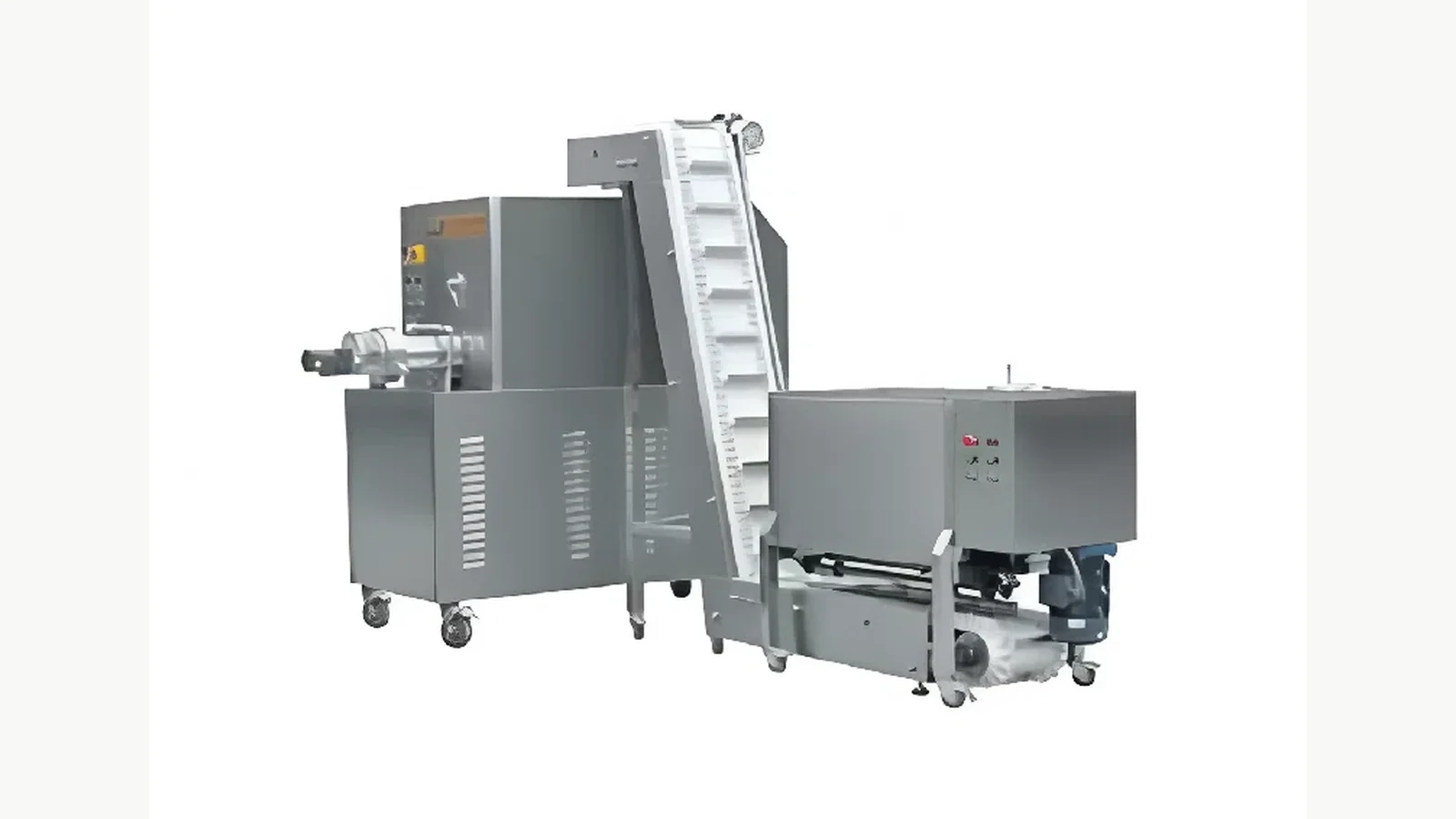
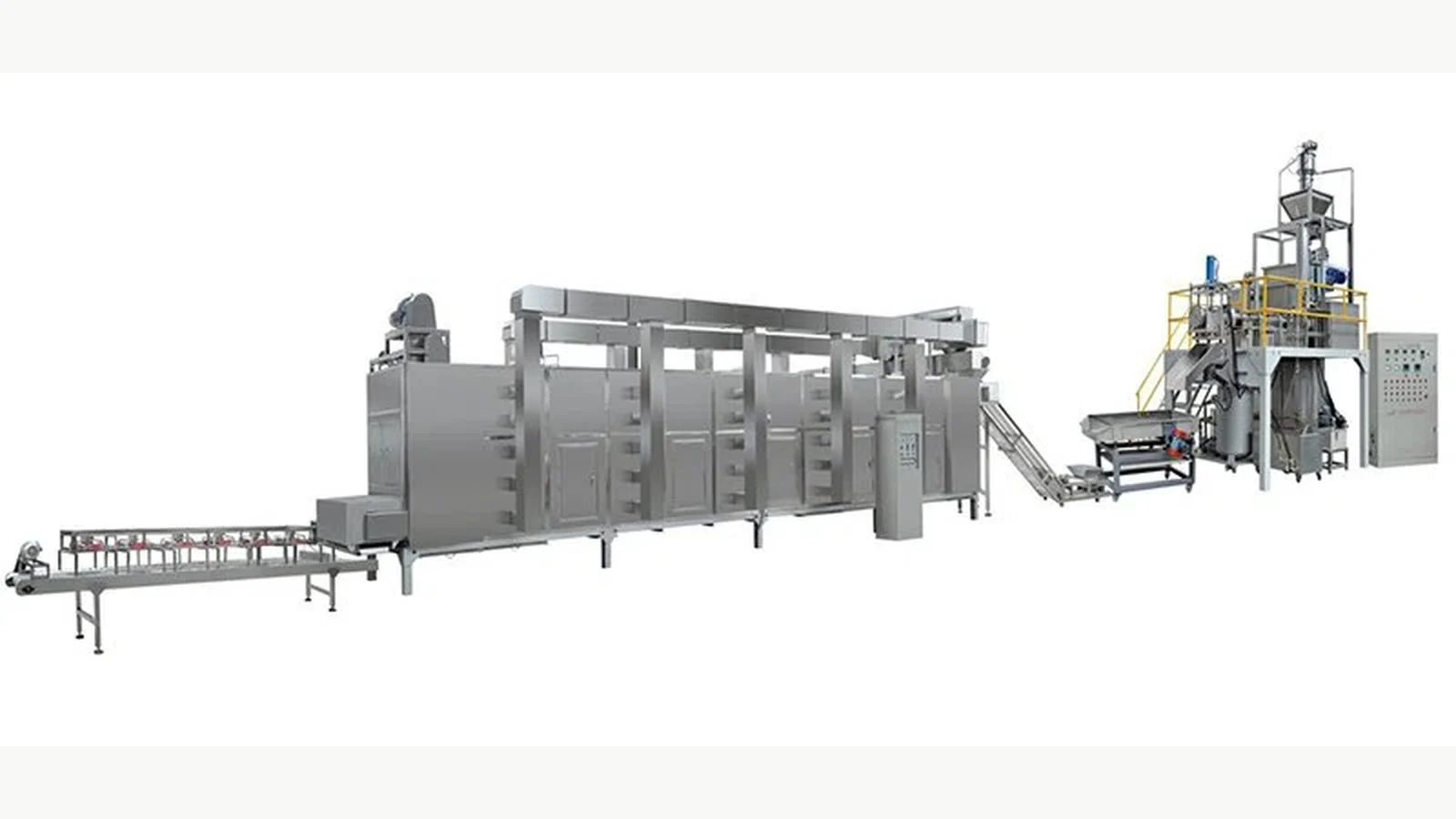
This guide helps buyers define the mixing and feeding handoff for an industrial macaroni line. It applies to the confirmed complete-line route of flour preparation, mixing, feeding, extrusion, forming, cutting, drying, cooling, and packing. Zhuoheng's industrial range includes TXF100, TXF200, TXF300, and TXF500 configurations in the 100–500 kg/h class, while final selection depends on product, route, output, and project scope.
Create an ingredient identity sheet
For every trial batch, record the flour or semolina supplier, product name, lot, storage condition, and any other approved ingredients. State whether the formula is commercial, developmental, or a reference supplied only for testing. If water quality or temperature is controlled by the buyer's method, add those details to the same sheet.
The purpose is traceability. A successful batch cannot be repeated reliably if the record says only “flour plus water.” Ingredient records also help the equipment supplier separate a material change from a mechanical or control change.
Avoid treating a sample formula as a guaranteed production recipe. Local raw materials, product shape, drying route, and the buyer's final quality standard can all require validation. The industrial macaroni line trial and product approval checklist explains how to keep samples, settings, and approvals connected.
Define the mixing record
A practical mixing record includes batch size, ingredient weights, water-addition basis, addition sequence, mixing stages, elapsed time, operator observations, and the identity of the next receiving step. If the configuration uses more than one mixing stage, label each stage separately and record the transfer between them.
Observe the mixed material in consistent language. Note whether it appears evenly hydrated, contains dry pockets, forms unwanted lumps, or changes between the start and end of discharge. These are observations for comparison, not universal acceptance criteria. The buyer and supplier should agree on the target condition during a representative trial.
The complete industrial macaroni production line provides the correct product-family reference. The exact mixer, feeder, extruder, dryer, and downstream arrangement belongs in the project-specific quotation.
Map the feeder-to-extruder boundary
The handoff brief should state how mixed material leaves the mixer, whether an intermediate hopper or conveyor is included, how feeding is controlled, and where the supplier considers the extruder inlet boundary. Record transfer height, access constraints, dust-control expectations, and the interface between equipment controls when these items apply.
A simple boundary table can contain:
- source equipment and discharge point;
- receiving equipment and inlet point;
- transfer or conveying equipment included;
- operating signal or manual action;
- expected batch or continuous-flow behavior;
- access, inspection, and cleaning responsibility;
- sample location and record owner.
This table makes quotation gaps visible. One proposal may include flour handling and transfer, while another begins at a filled mixer or extruder hopper. Comparing only the headline line price would hide that difference.
Record a stable trial window
During a representative run, keep a chronological log. Start with ingredient lot and formula revision, then record mixing start, additions, discharge, feeder start, extrusion stabilization, and sample collection. Whenever a material or control setting changes, issue a new condition code.
The trial team should review both the upstream material and extruded product. Upstream observations may include mix uniformity, lumps, residue, or interruptions. Downstream observations may include extrusion continuity, surface appearance, formed dimensions, cutting behavior, and the product condition entering drying. These observations show relationships; they still require the buyer's defined measurement and acceptance methods.
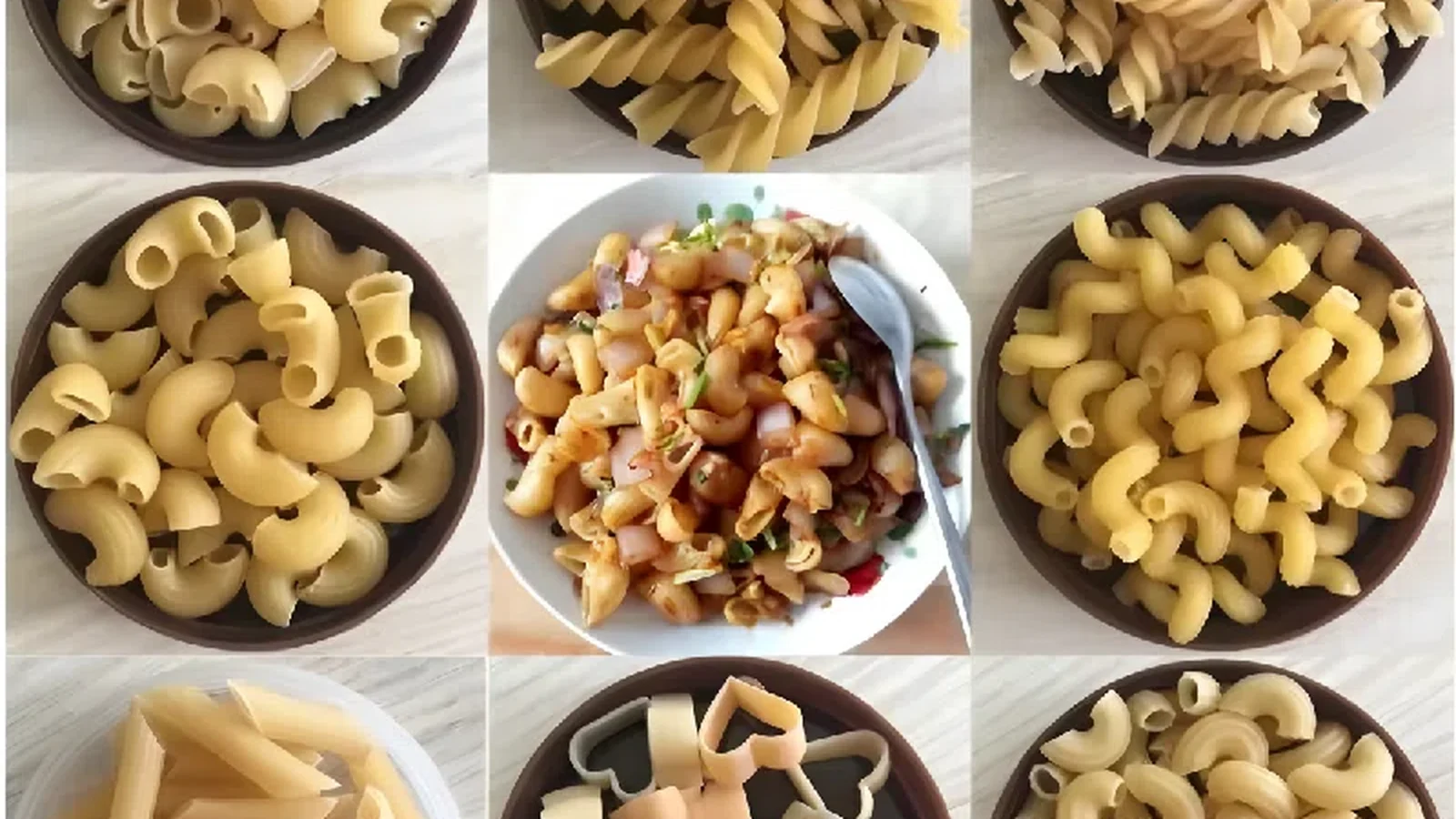
For shape-specific work, pair the batch code with the die and cutter record described in the industrial pasta mold and changeover guide. That prevents a die change from being confused with a material or mixing change.
Keep output claims tied to the complete route
The mixer or extruder nameplate is not the same as confirmed saleable output for every product. Actual production depends on formula, shape, drying program, changeovers, operating hours, and downstream constraints. Use the 100–500 kg/h industrial macaroni capacity guide to convert demand and runtime into a configuration discussion.
Likewise, separate single-machine power from complete-line connected power. A utility schedule should cover all quoted equipment and the selected heat source or drying arrangement, plus local electrical requirements. Final figures should be taken from the approved project list rather than copied from a different model.
Review cleaning and changeover evidence
Before purchase, ask the supplier to identify product-contact areas in the quoted mixing and feeding scope, the access method, normal disassembly points, and the information supplied for cleaning and reassembly. If the buyer changes formulations, colors, or allergen profiles, include that sequence in the trial or factory-acceptance discussion.
The buyer remains responsible for establishing a validated sanitation and allergen-control program that fits the product and destination rules. Supplier equipment information supports that program but does not replace it.
What belongs in the RFQ
Send one consistent upstream pack:
- target macaroni shapes and drawings or samples;
- flour or semolina type and formula status;
- ingredient storage and dosing assumptions;
- batch size and intended operating pattern;
- mixing observations and target handoff condition;
- output, hours, changeovers, and cleaning expectations;
- drying, cooling, and packing route;
- utilities, layout, access, destination, and required documentation.
Related planning guides
- Industrial pasta drying guide
- Industrial macaroni cooling and packing handoff
- Macaroni production line cost and quotation scope
Request a project review
Send Zhuoheng your shapes, material and formula status, batch plan, mixing and feeding boundary, target output, complete downstream route, utilities, layout, destination, and trial evidence requirements through the industrial macaroni project inquiry page. The team can then review a complete-line configuration around a defined extruder handoff.