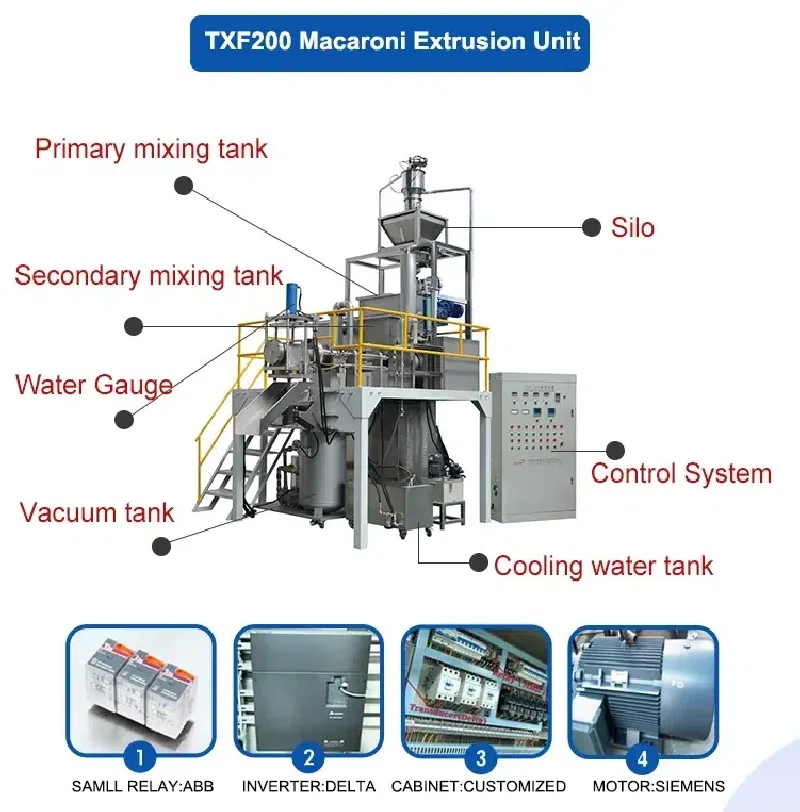
01 · Mixing & extrusion
Industrial extrusion section
Primary and secondary mixing, vacuum system, material silo and control are coordinated around the selected line.
Large connected production lines for macaroni and short-cut pasta, configured around confirmed shapes, flour route, capacity, drying target and factory utilities.
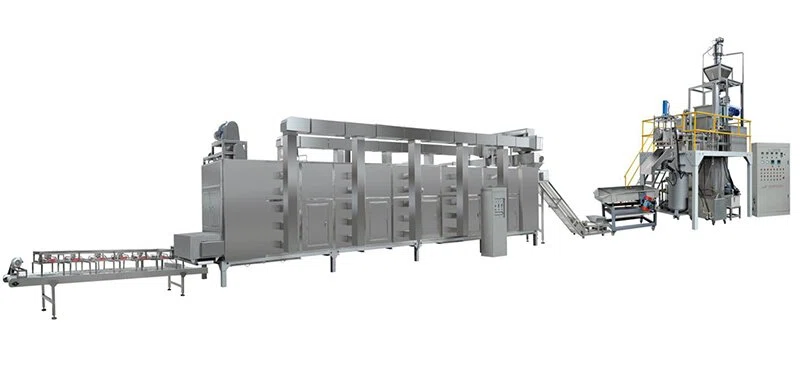
This is not a small tabletop macaroni machine. The scope is planned for medium and large pasta factories, with capacity, dryer, utilities and layout reviewed together.
The final equipment list follows the confirmed product, output and downstream scope. Images below are real Zhuoheng product images.
Primary and secondary mixing, vacuum system, material silo and control are coordinated around the selected line.
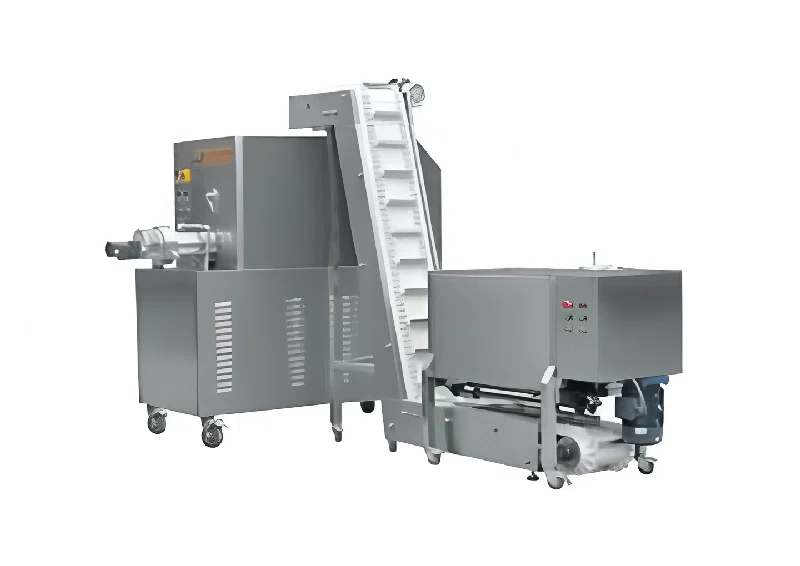
Prepared material moves through the forming section and into the selected downstream route.
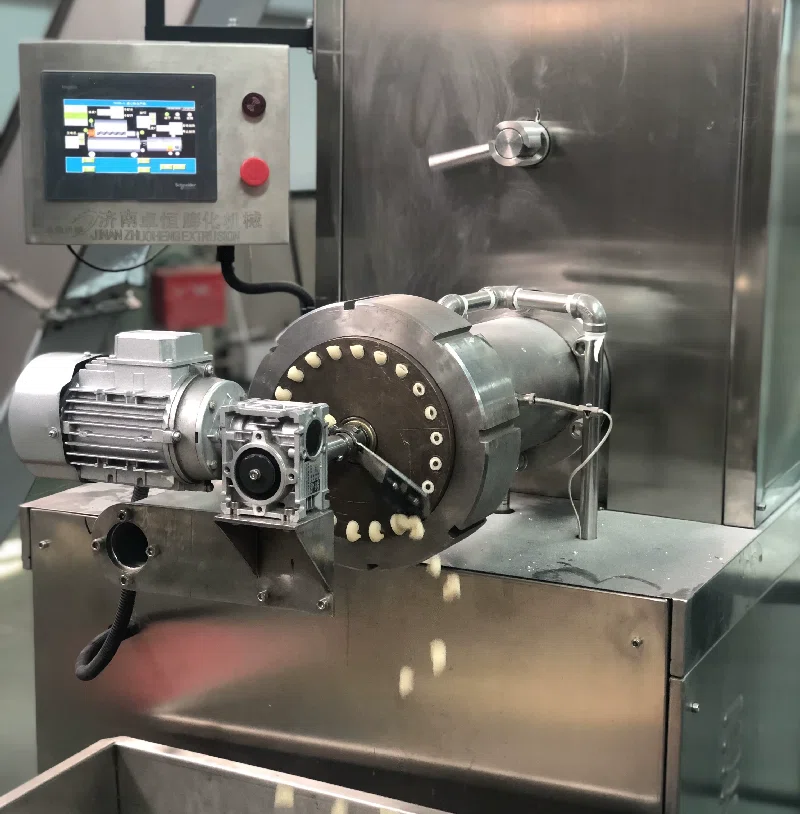
The die creates the profile while cutting length and operating settings are matched to the target product.
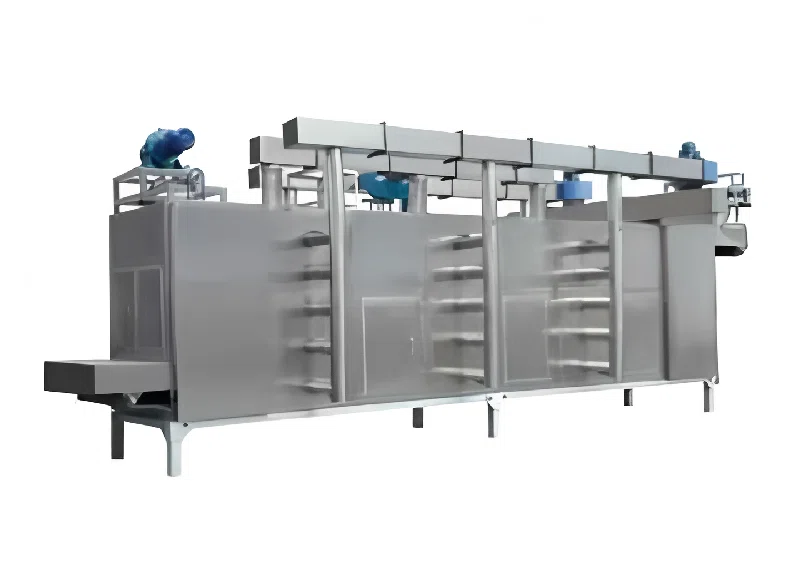
Dryer selection is a core quality decision and depends on shape, wall thickness, formula and output.
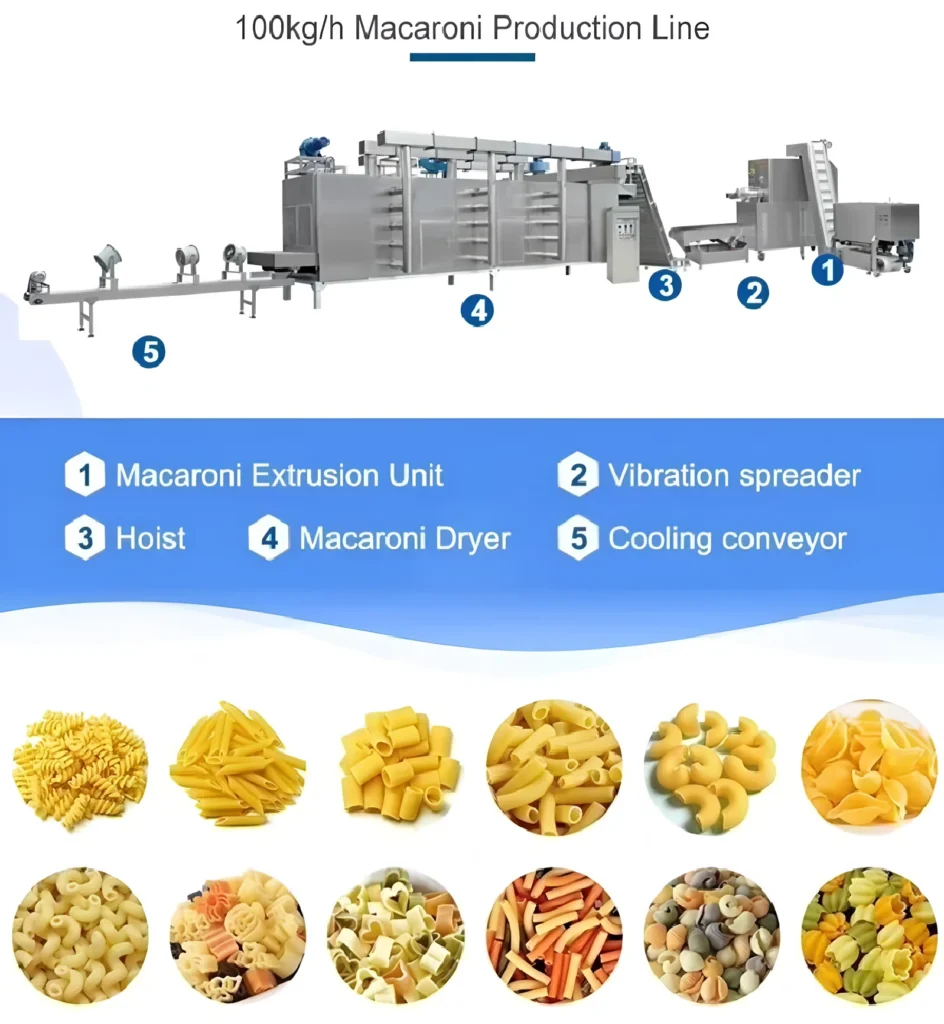
Cooling and product transfer are coordinated before the confirmed packaging stage.
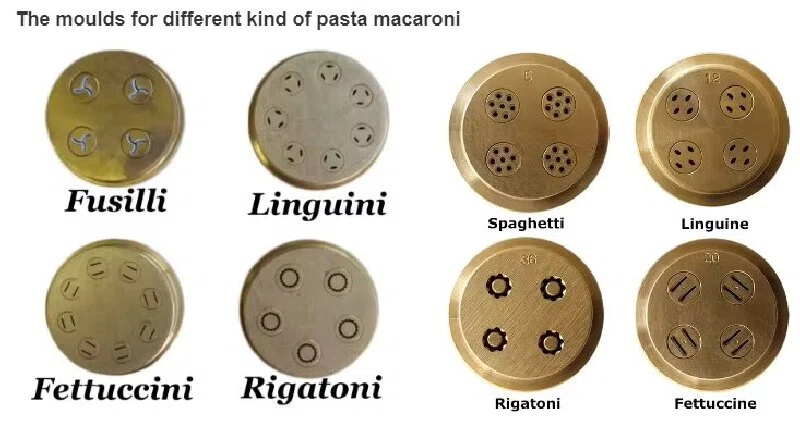
Profile feasibility is reviewed from a product photo, drawing or physical sample before mold commitment.
The route is fixed at a high level; individual machine selection and operating settings remain project-specific.
These values describe the complete processing line—not an isolated extruder. Final performance follows technical confirmation.
| Model | Nominal output | Installed power | Practical power | Buyer profile |
|---|---|---|---|---|
| TXF100 | 100 kg/h | 42 kW | 25 kW | Entry industrial production |
| TXF200 | 200 kg/h | 88 kW | 52 kW | Growing commercial pasta factory |
| TXF300 | 300 kg/h | 98 kW | 58 kW | Medium industrial output |
| TXF500 | 500 kg/h | 130 kW | 78 kW | Higher-volume production plan |
Reference values for the listed equipment configurations. Product shape, raw material, dryer, utilities and agreed equipment list can affect final values.
Use the macaroni production line capacity selection guide to compare finished-product demand, productive hours, drying and packing requirements before choosing a model.
A die creates the pasta profile; cutting configuration controls the target length. Formula and drying conditions must also be reviewed for a successful changeover.
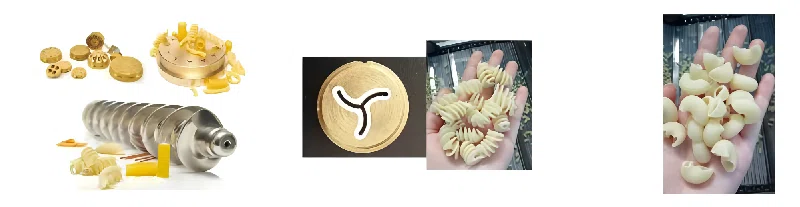
The best starting point is a defined product, working plan and factory condition—not simply the largest model.
Factories adding a new industrial line or increasing short-cut pasta output.
Established food businesses expanding into dried pasta with planned utilities and distribution.
Local partners who can provide product, capacity, installation and after-sales requirements.
Use the same product brief for every stage. Ask for each item to be identified as included, optional, excluded or buyer-supplied in the agreed equipment list; the table below does not assign a default supply boundary.
| Scope to review | Buyer information | Confirm in the proposal |
|---|---|---|
| Mixing, extrusion and tooling | Product photo or drawing, dimensions, flour route, target output and shapes. | Mixing and transfer equipment, extruder, included dies and cutting arrangement for the agreed product. |
| Drying, cooling and transfer | Shape and wall thickness, formula, finished-product drying target and operating plan. | Dryer configuration and heating boundary, cooling equipment and connections between stages. |
| Packing | Pack format, pack weight and any existing packing equipment. | Whether the supply includes packing equipment or ends at an agreed transfer interface. |
| Factory utilities and layout | Voltage, phase, frequency, available heating source, building dimensions and access route. | Complete-line electrical and heating requirements, connection points, service access and site-work responsibilities. |
| Installation and acceptance | Destination, installation or training needs and the product to be used for the trial. | Service responsibilities, trial conditions and the records needed for the agreed acceptance review. |
Prepare the product and heat-source details with the industrial pasta drying guide. Use the factory layout and access checklist for building, utilities and delivery access. Final equipment, performance and supply responsibilities remain subject to project confirmation.
Send shape, capacity, flour, voltage, building dimensions, drying and packaging requirements.