An industrial pasta dryer cannot be selected from hourly output alone. The buyer must define the pasta family, shape range, extrusion-line capacity, loading method, factory utilities and downstream cooling and packing plan. Drying is a connected process stage, so it has to match both the product and the rest of the line.
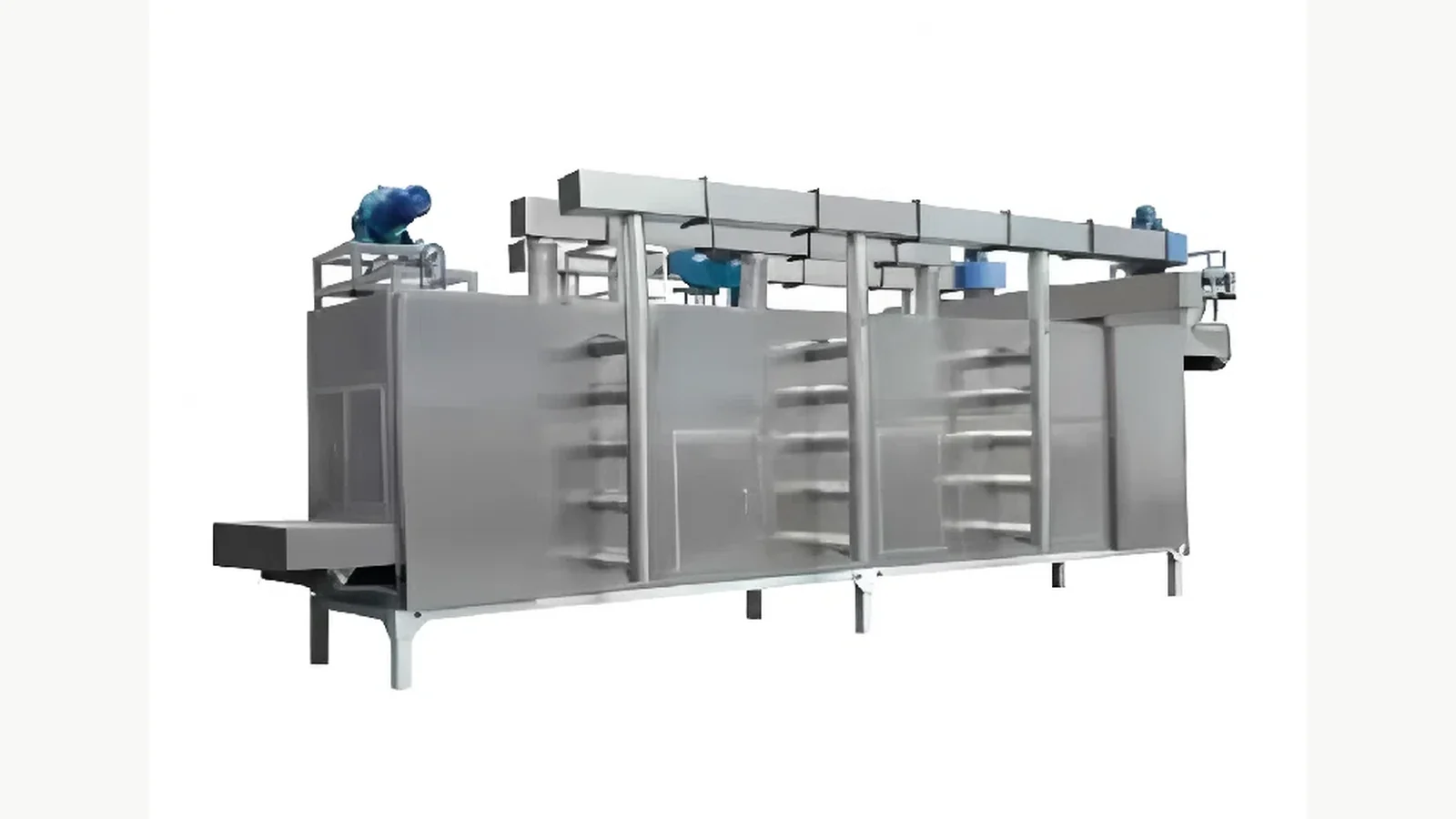
There is no responsible universal drying time or temperature for every macaroni product. Raw materials, wall thickness, shape, size, loading and the required finished condition all matter. A supplier can configure equipment around a confirmed brief, but a single recipe copied from another product should not become the basis of a commercial acceptance promise.
Define the Pasta Family and Shape Range
Begin with the products that will actually run on the line. Zhuoheng’s confirmed industrial scope covers macaroni and confirmed short-cut pasta produced through preparation, mixing, feeding, extrusion and forming, cutting, industrial drying, cooling and packing.
For each planned product, record:
- shape name and a clear photograph;
- outside dimensions and wall thickness where known;
- cut length and cross-section;
- raw-material specification and formula status;
- expected share of production;
- target packing format;
- current production method, if one exists.
A product list with twenty names but no dimensions or volume shares is difficult to engineer. Select a small group of representative products: the routine high-volume item, the thickest or otherwise most demanding item, and the product that requires the most frequent changeover. Final shape feasibility still needs the actual sample and mold discussion.
Connect the Dryer to the Complete Line
The dryer receives product from forming and cutting, and it passes product to cooling and packing. Its usable load therefore depends on how product is spread, transferred and retained through the process. A complete proposal should show that relationship instead of presenting the dryer as an isolated box.
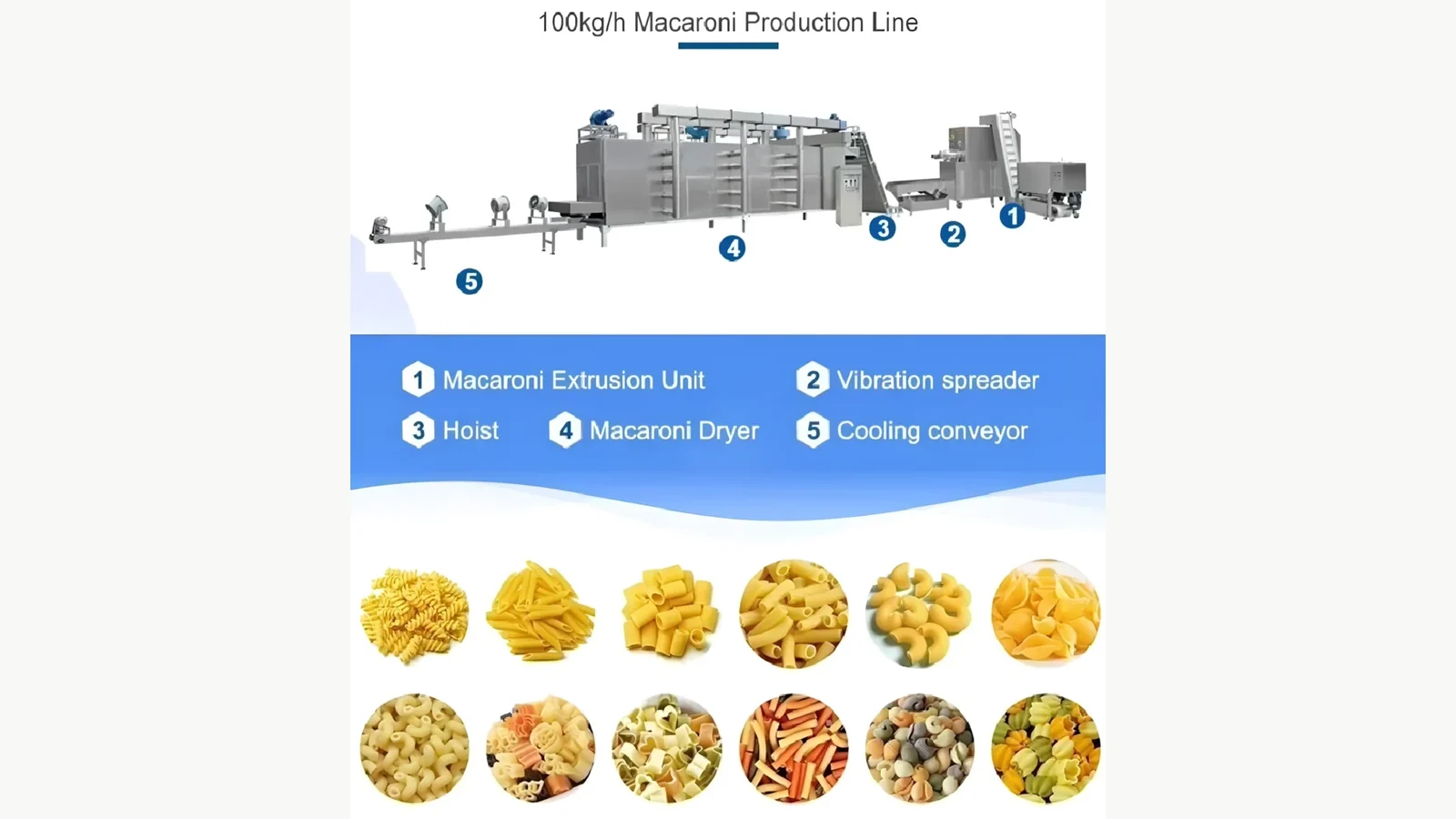
The confirmed TXF line references are:
| Reference | Nominal output | Complete-line installed power | Complete-line typical operating power |
|---|---|---|---|
| TXF100 | 100 kg/h | 42 kW | 25 kW |
| TXF200 | 200 kg/h | 88 kW | 52 kW |
| TXF300 | 300 kg/h | 98 kW | 58 kW |
| TXF500 | 500 kg/h | 130 kW | 78 kW |
These are complete-line references, not dryer-only or extrusion-unit power figures. They also are not guarantees for every shape or raw-material condition. The capacity selection guide explains how saleable demand and operating time should lead the model discussion.
Prepare a Drying Input Sheet
A useful RFQ contains enough information to discuss the dryer configuration without inventing a recipe. Use this decision table:
| Input | What to provide | Why it matters |
|---|---|---|
| Product geometry | samples, dimensions and wall thickness | identifies representative loading cases |
| Raw materials | specification and formula status | keeps process assumptions visible |
| Line output | normal and peak saleable kg/h | links dryer load to the complete line |
| Product mix | volume share and changeover frequency | shows whether one setting or multiple groups are needed |
| Factory utilities | voltage, frequency, phase and intended heat source | defines the technical basis of the proposal |
| Downstream plan | cooling and packing method | prevents the dryer discharge from becoming a bottleneck |
| Acceptance method | measurable product checks and sampling plan | replaces vague statements such as “dry enough” |
When one input is unavailable, mark it as open. A visible open item can be resolved; a hidden estimate tends to reappear later as a scope dispute.
Separate Equipment Configuration From the Process Recipe
The equipment discussion covers airflow path, staged handling, loading, discharge, controls and how the dryer fits the line. The product recipe covers the conditions applied to a particular formula and shape. They interact, but they are not the same deliverable.
Ask the supplier which product data is required before a process recommendation can be finalized. If testing is planned, agree on sample identification, material batch, shape, loading and the observations that will be recorded. Avoid a pass/fail statement based only on appearance; the acceptance method should be defined by the buyer’s product and quality requirements.
This boundary also protects the project from unsupported claims. A supplier should not guarantee taste, shelf life or a single moisture outcome across every product without the corresponding process evidence and agreed test conditions.
Review Loading, Transfer and Cooling
Freshly formed pieces need orderly transfer into the thermal stage. Product distribution affects the usable surface and the consistency of the process. Confirm how the line spreads product, how it moves through the dryer and how discharge connects to cooling.
Cooling is not a decorative final conveyor. Product leaving the dryer must be handled in a way that suits the packing plan and avoids transferring a thermal-stage bottleneck to the end of the line. State the expected bag size, packing speed basis and any intermediate holding arrangement in the factory plan.
Confirm Factory Space and Utilities
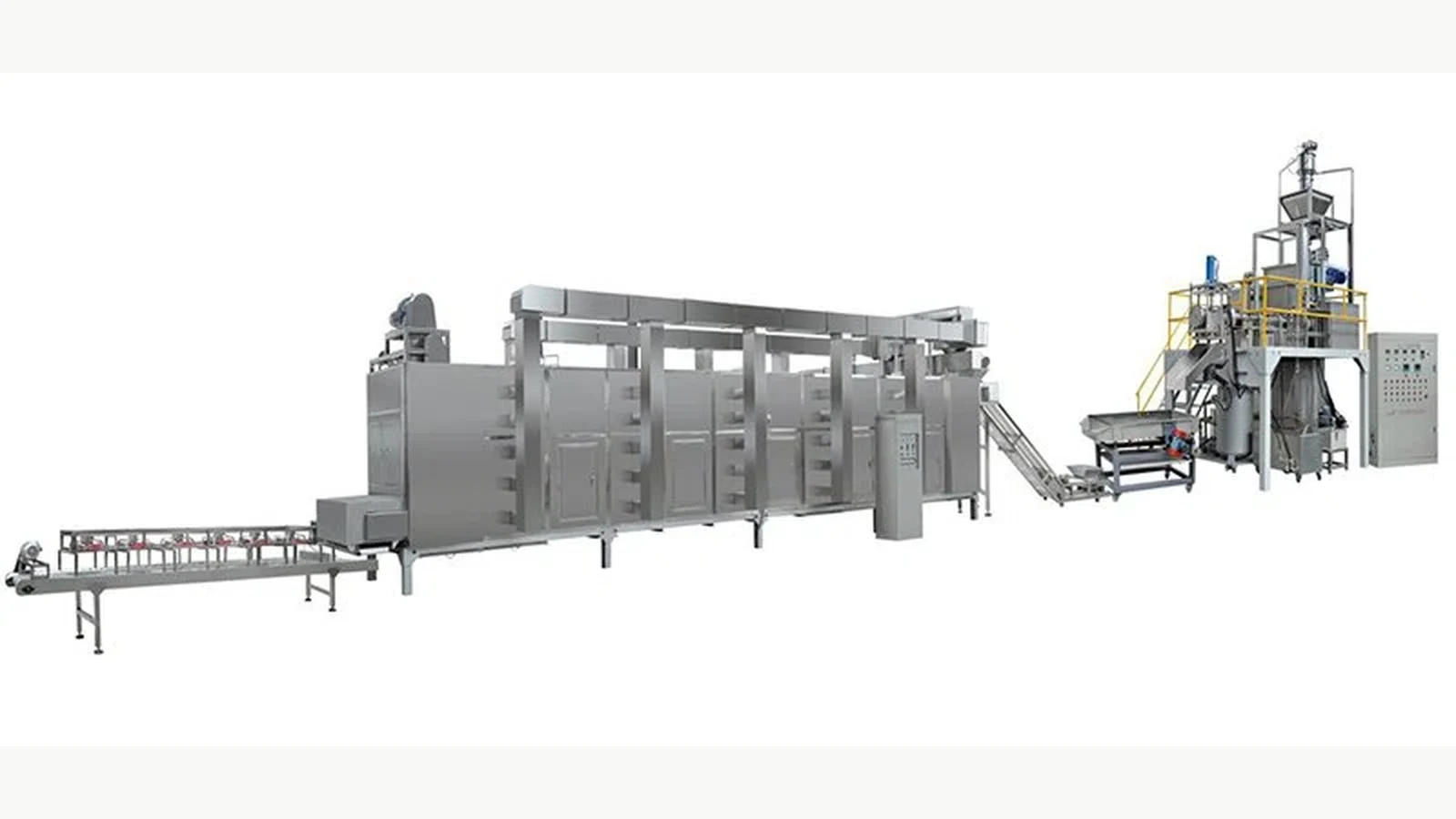
Send a dimensioned layout that marks columns, doors, usable ceiling height, utility entry points and maintenance access. Identify the destination country and available voltage, frequency and phase. Where a heating source is part of the discussion, record what is available locally and who is responsible for connections and supporting works.
The complete macaroni production line page is the correct commercial destination because the dryer belongs to a coordinated line.
Define Acceptance Checks Before Ordering
Acceptance should be tied to the agreed product, material and operating condition. Build a record that includes the sample ID, shape, formula version, relevant settings, start and finish times, visible defects and the buyer’s selected product measurements. Keep retained samples when appropriate to the buyer’s procedure.
The checklist should answer:
- Which exact product represents the normal case?
- Which product represents the most demanding case?
- What line load and upstream condition are assumed?
- Which product checks will be measured, by whom and with what method?
- Which utilities and ambient conditions form the test basis?
- What belongs to commissioning and what remains buyer-side product development?
RFQ Checklist for an Industrial Pasta Dryer
Before requesting a configuration, prepare:
- target macaroni or short-cut pasta samples;
- dimensions, wall thickness and cut length;
- raw-material specification and formula status;
- normal and peak output for the complete line;
- product mix and changeover plan;
- factory drawing and utility details;
- intended cooling and packing interface;
- supply boundary, installation country and acceptance method.
Use the macaroni line cost guide to compare quotations on the same equipment and service boundary. Then send the drying input sheet through the contact page for a project-specific review.