A low macaroni production line price may describe an extrusion unit. A higher price may include mixing, feeding, extrusion, forming, cutting, industrial drying, cooling and a defined packing interface. Both can be legitimate offers, but they are not alternatives until the equipment boundary, finished product and factory responsibilities match.
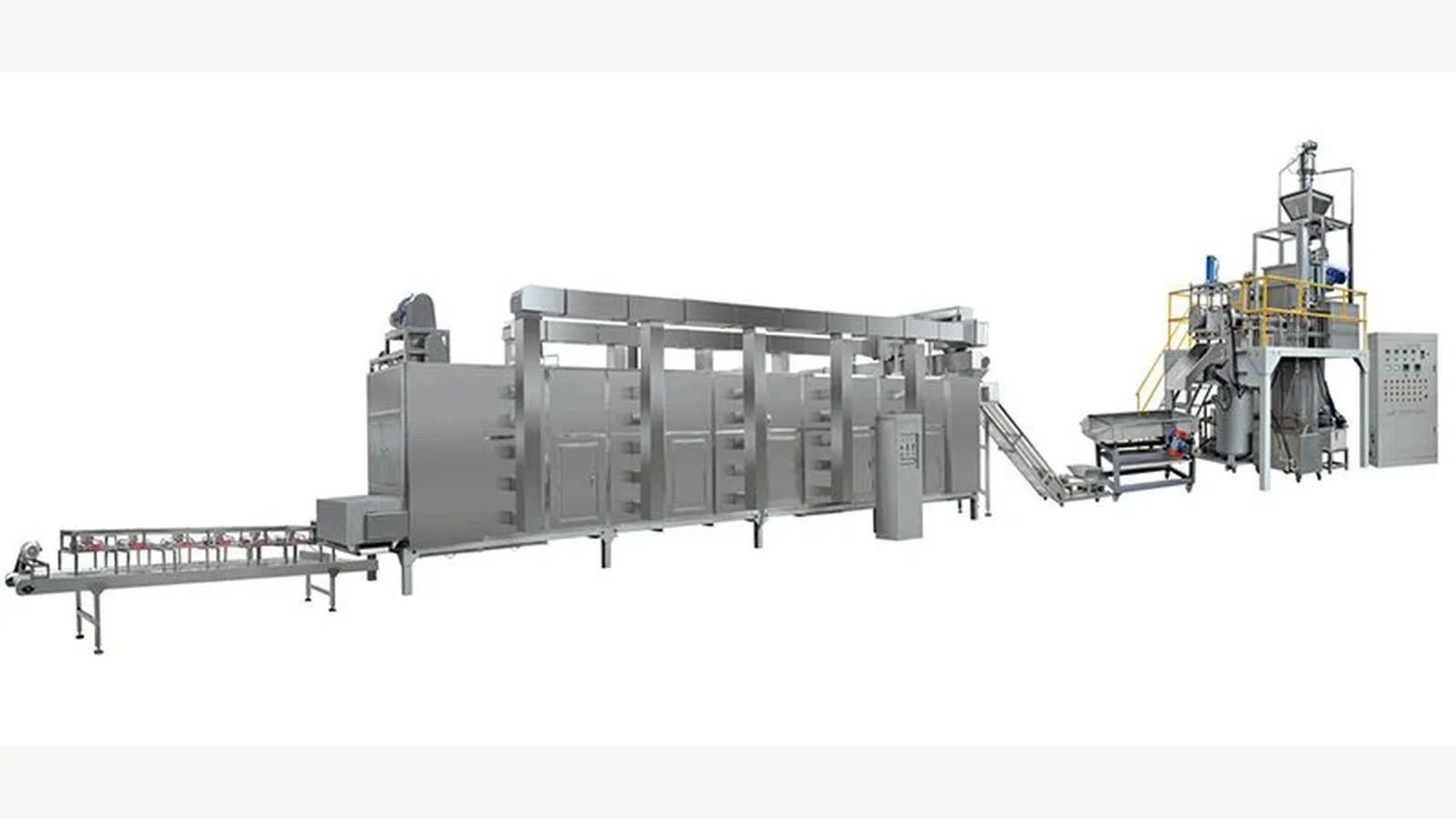
Industrial buyers should therefore compare quotation scope before comparing totals. Start with the product and required output, then make every supplier answer the same questions about equipment, molds, drying, utilities, services and exclusions. This approach reveals what the project cost represents without relying on an invented universal price.
Lock the Product Brief Before the Equipment List
The line has to make a defined product, not the generic word “pasta.” Send:
- finished-product photos, drawings or physical samples;
- outside dimensions, wall thickness and cutting length;
- raw material, including whether the project uses wheat flour or semolina-based material;
- number of shapes planned for launch and later expansion;
- target saleable output and operating shifts;
- drying, cooling and packing requirements;
- local voltage, frequency, heating source and factory dimensions;
- destination, delivery term and required service boundary.
Shape feasibility needs technical confirmation. A die creates the profile, while cutter arrangement, formula and drying conditions affect the finished result. A picture of one shape is useful evidence, but it is not proof that every profile can run under one universal setting.
The complete industrial macaroni production line is the exact product family for this discussion. It is separate from 15 or 40 kg/h compact commercial machines, spaghetti lines and instant-noodle equipment.
Define “Complete Line” in Writing
Use one equipment-boundary table in the request for quotation. Each supplier should mark every row as included, optional, excluded or buyer-supplied.
| Process stage | Scope questions |
|---|---|
| Flour preparation and mixing | How many mixing stages, what batch method and which transfer equipment are included? |
| Feeding and extrusion | Is the offer an extrusion unit or the confirmed complete-line configuration? |
| Forming and cutting | Which die, cutter and product dimensions are included? |
| Transfer to drying | Which conveyors or elevators connect forming to the dryer? |
| Industrial drying | What dryer equipment and heating boundary are included? |
| Cooling and handling | How is dried product cooled and transferred? |
| Packing interface | Does the line end at a conveyor or include weighing/sealing equipment? |
| Controls and electrical | Which control cabinets, voltage adaptation and documents are included? |
This table prevents a common procurement error: accepting the label “complete line” without a signed equipment list. The commercial contract, drawing and packing list should all refer to the same revision.
Keep Complete-Line and Extrusion-Unit Data Separate
TXF100, TXF200, TXF300 and TXF500 are confirmed complete-line references for approximately 100, 200, 300 and 500 kg/h. Reference installed/practical power for the complete line is recorded separately for each configuration. Same-name TXF100, TXF200 and TXF300 extrusion units also have their own figures.
That naming overlap matters. If one supplier quotes “TXF200 power” for the extrusion section while another gives total connected power for the complete project, the values cannot be compared directly. Require these fields:
- exact model and equipment boundary;
- complete-line installed power;
- complete-line practical reference, where supplied;
- extrusion-unit power shown separately;
- heating source and whether dryer heat is included in the electrical figure;
- optional equipment power identified by item.
Capacity also depends on product, raw material and agreed scope. The site's industrial macaroni application page helps define the correct finished-product context, but the final proposal still needs one controlled product brief and test basis.
Extrusion, Forming and Transfer Must Be One Connected Scope
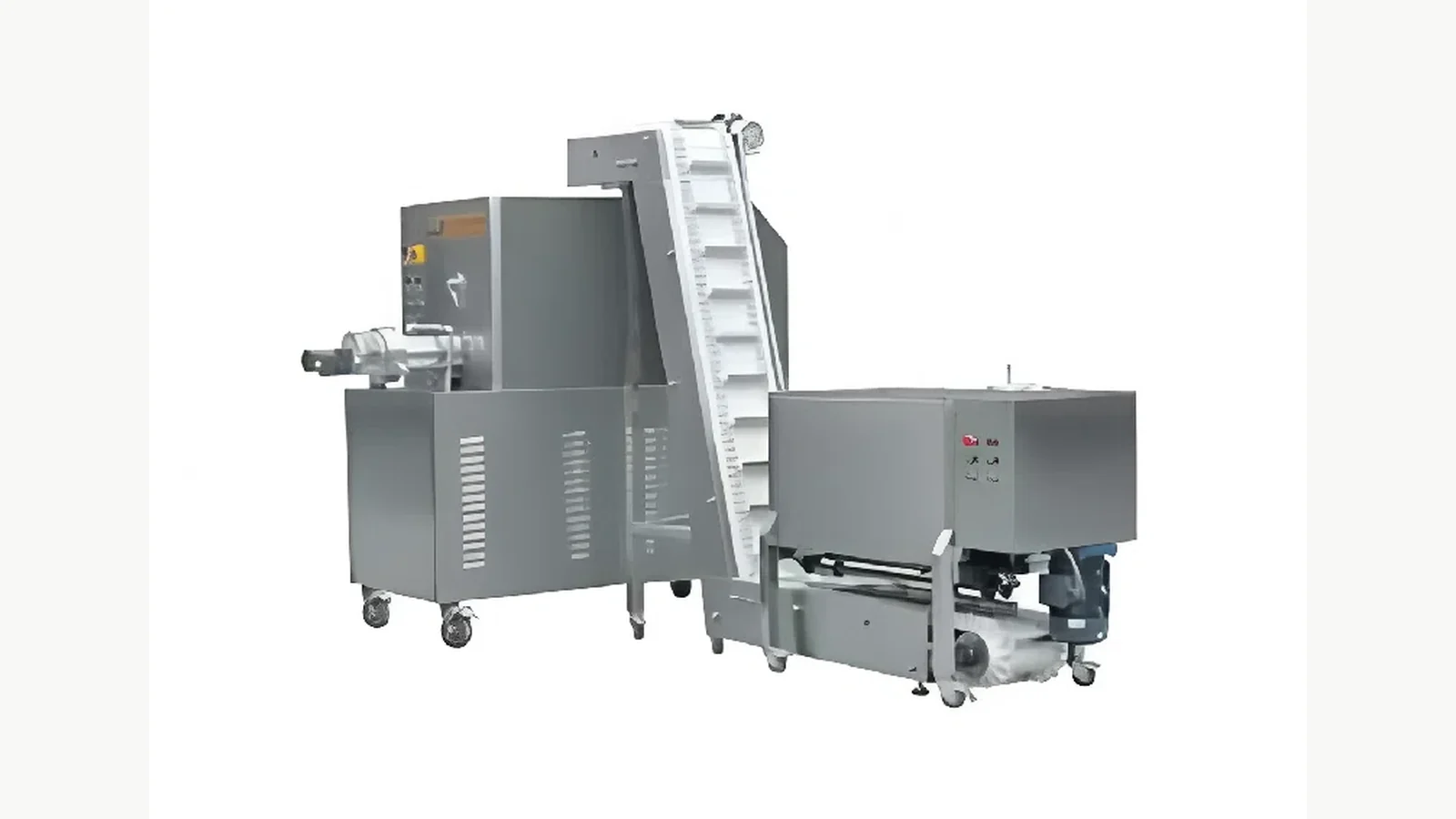
The forming section is more than a single extruder body. Mixing, feeding, extrusion, die, cutter and product transfer have to work as one sequence. Ask how wet product is supported after cutting and how it reaches the next stage without damage or uncontrolled accumulation.
Molds deserve a separate commercial line. State the included quantity, material, target profile and approval method. More shapes can change tooling cost and changeover work even when the main machine remains the same. Spare or future molds should be quoted as clearly identified options.
The buyer should also confirm which product-contact parts, consumables and recommended spares are included. A price that omits the startup tooling package may appear lower but create an immediate second purchase.
Drying Is a Core Project Cost, Not an Accessory
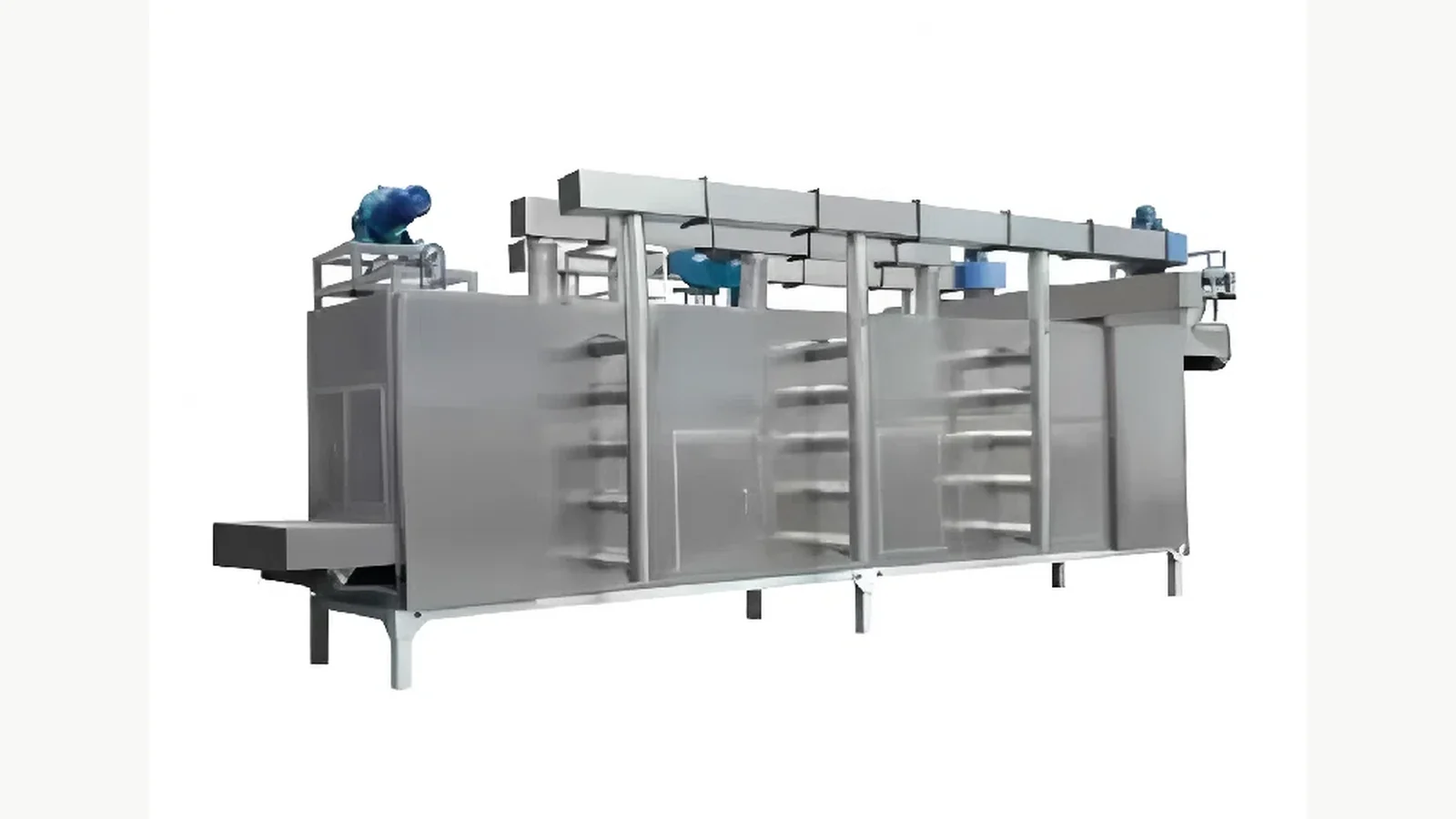
Freshly formed macaroni must follow a controlled industrial drying route before cooling and packing. Dryer choice depends on shape, wall thickness, formula, target output and operating schedule. The quotation should name the dryer equipment, heat-source boundary, connection requirements and control scope.
Avoid treating one drying result as guaranteed across every shape. A supplier can design and test a route for an agreed product; changing diameter, wall thickness, raw material or throughput may require new settings and review. The project acceptance plan should therefore identify which product will be used for testing and what evidence will be recorded.
Building height, airflow, maintenance access and the route into and out of the dryer can change the layout. Ask for a preliminary arrangement early enough to verify that the production sequence fits the actual factory.
Add Factory and Destination Costs to the Comparison
Machine supply is only one part of total project cost. Keep the following items visible instead of hiding them inside a single allowance:
- electrical distribution and local cabling;
- water, air, heating and ventilation interfaces;
- floor, foundation, drainage and civil work;
- platforms, stairs and guards outside the quoted equipment scope;
- packing, export crate and shipment dimensions;
- inland transport, freight, insurance and destination charges under the agreed term;
- unloading, positioning and local labor;
- installation supervision, commissioning and operator training;
- startup materials, trial product and disposal;
- spare parts, technical documents and after-sales boundaries.
Some of these costs belong to the supplier; others belong to the buyer or a local contractor. The important point is not who owns every item by default. It is that the quotation names the owner before the order.
Use a Revision-Controlled Comparison Sheet
Place each proposal into the same rows and keep the currency, delivery term, validity date and revision number visible. When a supplier changes the dryer, mold count or packing scope, request a revised equipment list and total. Comparing a new price against an old technical schedule invites mistakes.
Score the offers on product fit, line completeness, factory compatibility, service boundary and evidence—not only total price. A technically complete quotation should make it possible to trace each major cost back to a buyer requirement or equipment stage.
Request a Complete Industrial Proposal
Send the target macaroni photo or drawing, dimensions, raw material, required output between the confirmed 100–500 kg/h range, shifts, voltage, heating source, building, drying, cooling, packing and destination through the industrial project contact page.
Ask Zhuoheng to return one revision-controlled equipment list with included, optional, excluded and buyer-supplied items. That document turns “macaroni production line cost” into a project comparison that engineering, purchasing and factory teams can all review.