An industrial macaroni line trial should answer a defined product question. It is not a showroom demonstration in which any acceptable-looking pasta proves the entire factory project. The buyer and supplier need the same material reference, shape definition, process route, planned output basis and acceptance method before the run begins.
This guide covers Zhuoheng's complete industrial macaroni and short-cut pasta line family in the 100–500 kg/h project range. It does not describe the separate 15 or 40 kg/h compact machines, and it does not confirm spaghetti, instant noodles or every possible pasta shape.
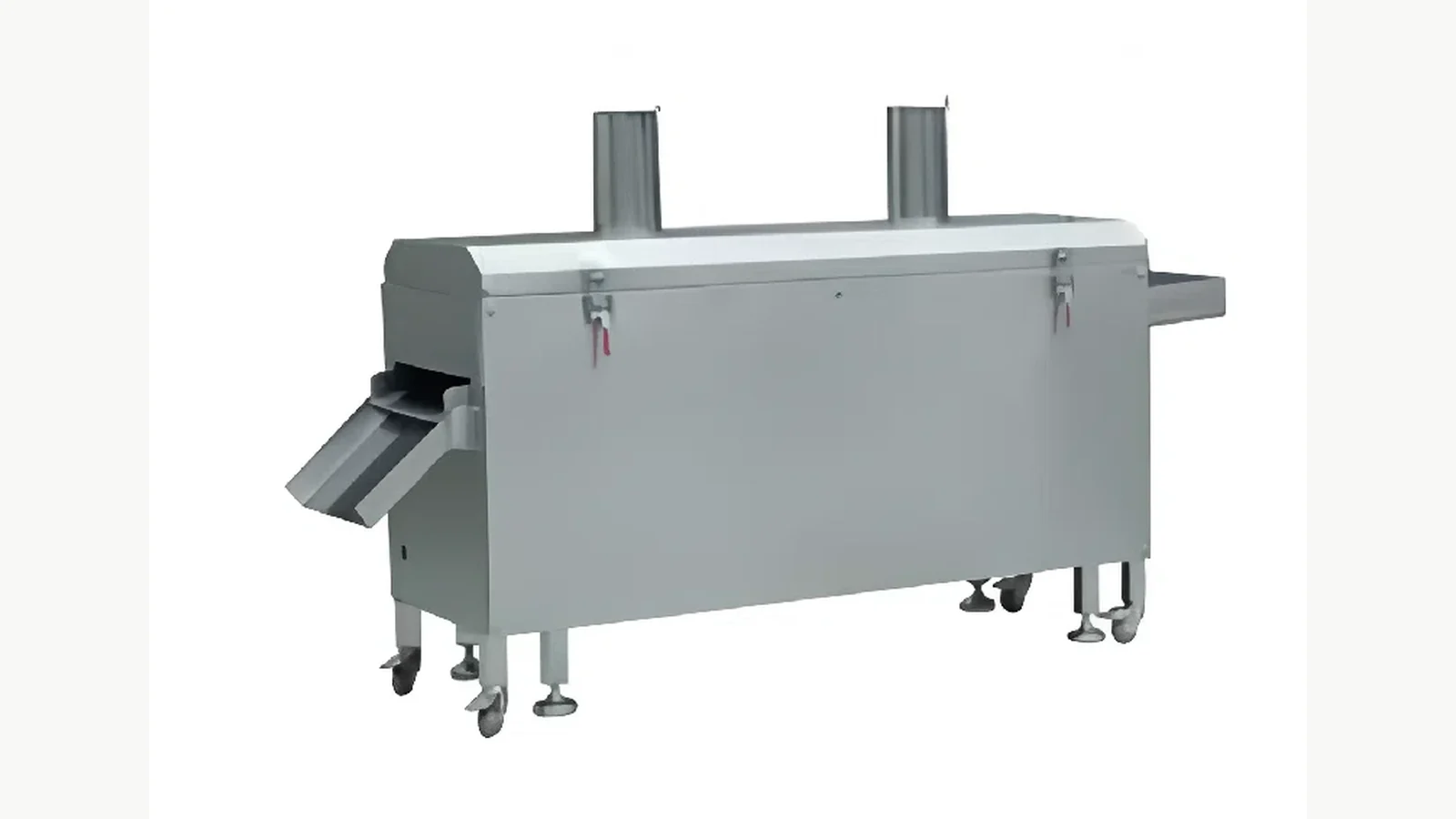
Lock the Trial Question First
Write one sentence describing what the trial must establish. Examples include whether a defined flour or semolina recipe can form a specific short-cut profile, whether a cutter can produce the intended length, or whether the proposed drying route can be evaluated against the buyer's product checks. Avoid combining every future SKU into one pass/fail statement.
The complete industrial macaroni production line covers preparation, mixing, feeding, extrusion and forming, cutting, drying, cooling and packing. A trial may focus on several of those stages, but the report should identify exactly which equipment and conditions were used.
Create a trial ID and revision date. Attach the product drawing, sample photos, material record and test plan to that ID. If the formula, mold or acceptance method changes, issue a new revision instead of treating the earlier result as unchanged evidence.
Send Representative Materials and Formula Status
The supplier needs the proposed raw materials, their specifications and the formula status. State whether the recipe is approved, under development or supplied only as a preliminary basis. If local material cannot be shipped, agree on the closest available substitute and clearly label that limitation in the result.
“Wheat flour” and “semolina” should not be assumed to behave identically, and one universal recipe cannot be promised. Material particle characteristics, water addition, mixing, extrusion, forming and drying interact. The buyer remains responsible for formula ownership, ingredient compliance and final food claims.
A material sheet should record:
| Field | Trial record |
|---|---|
| Material identity | Supplier, grade or specification reference and lot |
| Formula status | Approved, development or substitute basis |
| Water or other addition | Recorded trial amount and method |
| Product target | Shape drawing, sample and dimensions |
| Planned output basis | Trial rate and intended project range |
| Acceptance method | Named checks, sampling point and responsible reviewer |
Define Shape, Mold, and Cutting Evidence
Provide a physical sample or multi-angle photographs with dimensions. State whether the shape is a current approved SKU, a new profile or a supplier reference. The mold controls the basic profile, while cutter setup influences length. Material and process conditions also affect the finished result.
The industrial pasta molds and shape changeover guide explains why tooling identity, cutter components and downstream checks belong in the same record. A visually similar shape is not enough if diameter, wall, length or machine compatibility remain undefined.
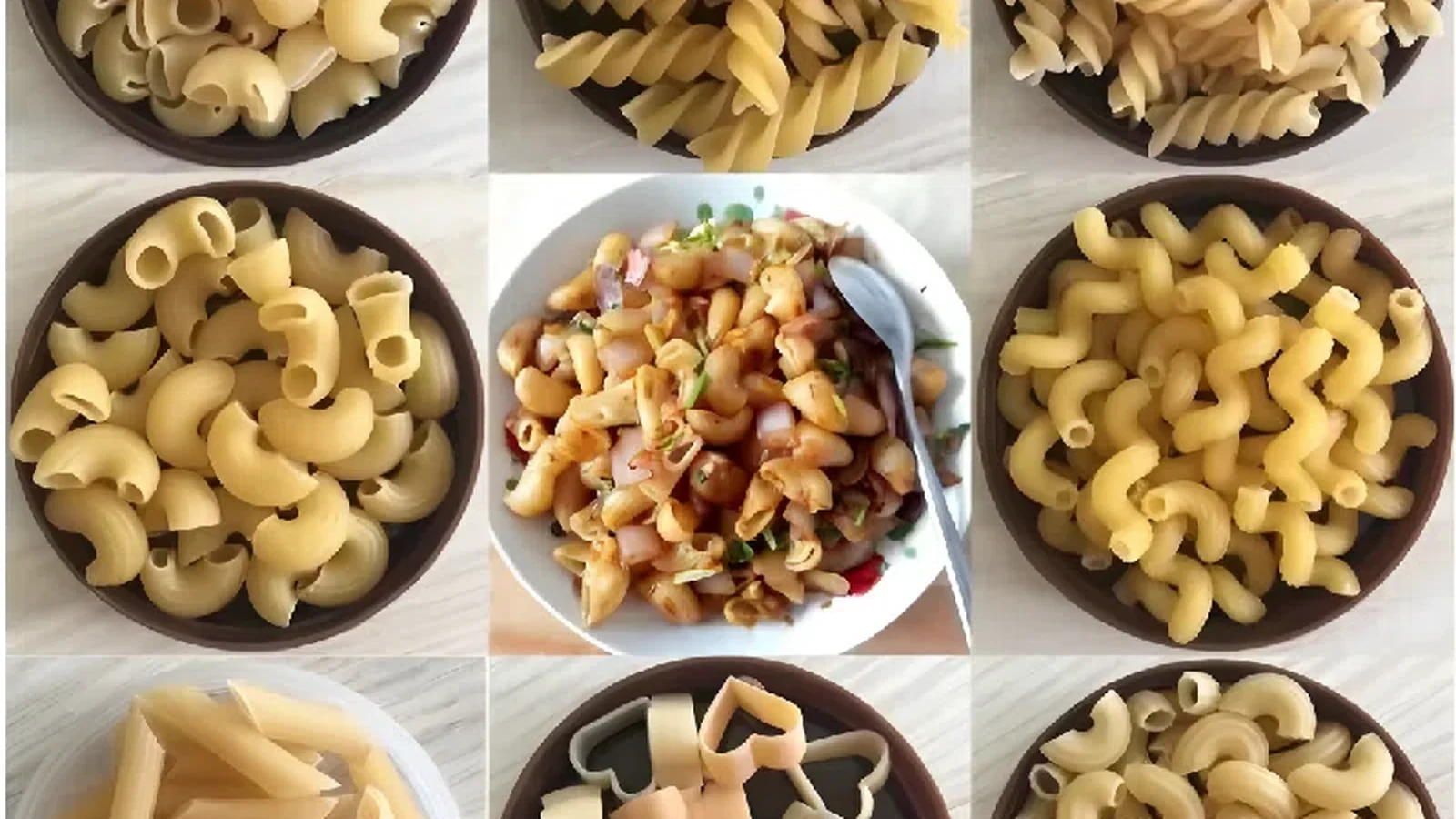
During the run, photograph the product at the agreed sampling points. Measure the dimensions in the buyer's plan and record obvious forming or cutting defects. Keep a retained sample identified with the trial ID. One photo is not proof of continuous long-run consistency.
Treat Drying as Part of Product Approval
Freshly formed pieces alone cannot establish the result of a packaged dry-pasta project. The proposed drying and cooling stages must be included in the approval logic. Product shape, wall thickness, formulation, loading and target condition affect the drying discussion; one temperature-and-time recipe should not be copied across all products.
The industrial pasta drying guide separates dryer inputs from unsupported universal settings. For the trial, record the equipment used, loading basis, process observations, sampling points and buyer-defined checks. Exact settings and limits belong to the tested product and approved procedure.
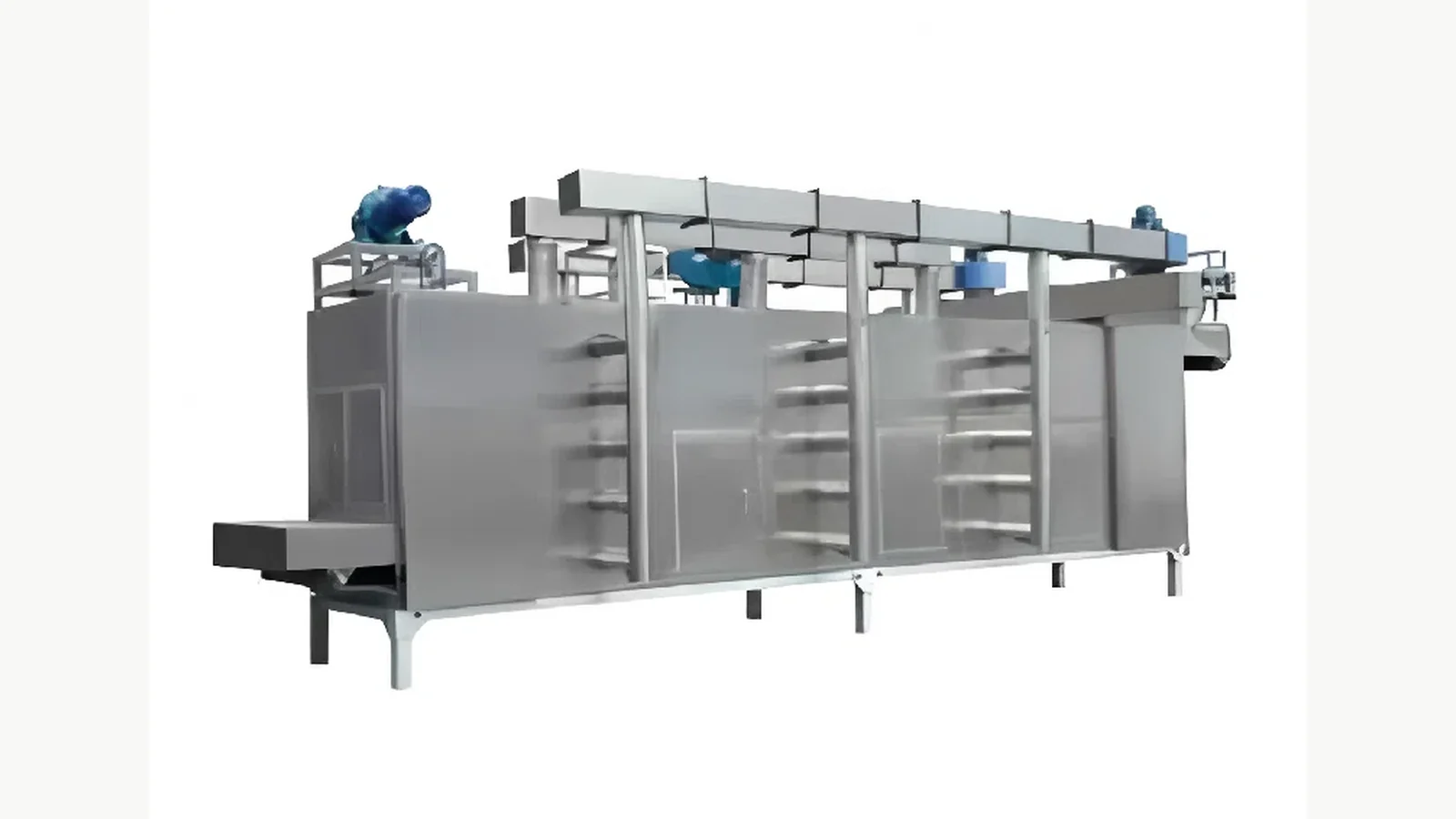
Cooling and handling after drying also matter. A trial report should say when the sample was inspected and packaged. If the buyer needs laboratory checks, shelf-life work or local compliance testing, identify them as separate responsibilities rather than implying that the machine trial replaces them.
Separate Sample Success from Factory Capacity
A small trial can support product feasibility and configuration discussion, but it does not automatically prove continuous output, annual production or a packed-product rate. The factory proposal must still balance mixing, feeding, extrusion, cutting, drying, cooling and packing around the target SKU matrix.
Use the macaroni production line capacity guide to prepare hourly demand, planned operating hours, changeovers and utilization assumptions. The trial report should state the actual rate and duration used, then identify what additional engineering or factory-acceptance evidence is required for the commercial line.
Build an Acceptance Matrix Before the Run
An approval matrix keeps observations from turning into an after-the-fact argument. Select only checks relevant to the product and define who assesses them.
Possible rows include:
- material and formula revision match;
- visible profile and measured dimensions;
- cut length and obvious cutting defects;
- product integrity during transfer;
- buyer-defined condition after drying and cooling;
- cooking or sensory checks performed by the responsible buyer team;
- sample identification and retained evidence;
- deviations, adjustments and items requiring another trial.
“Good quality” is not a complete acceptance standard. Record a method, sample location and agreed result. Tolerances should not be invented when the buyer has not provided them; mark those limits as pending technical confirmation.
Control Changes After the Trial
The approved record should bind the result to the material lot, formula revision, mold, cutter setup, equipment, trial settings and sample. If commercial production will use different raw materials, a different shape or a revised dryer configuration, the team should review whether confirmation or a new trial is required.
Keep commercial and technical approvals separate. A successful product sample does not confirm quotation scope, utility consumption, installation responsibilities or final factory layout. Those items must remain explicit in the proposal and contract documents.
Trial Request Checklist
Send the supplier:
- company and project location;
- intended product and sales format;
- raw-material specification and formula status;
- representative material quantity available for the trial;
- physical sample, photos and dimensioned shape drawing;
- required hourly output and planned SKU schedule;
- fresh or packaged-dry route;
- buyer-defined product and process checks;
- mold and cutter questions;
- packing requirement and sample quantity;
- voltage, utilities, site information and destination;
- required trial report, training and supply boundaries.
Submit the package through the contact page so the trial objective and required evidence can be reviewed before materials are arranged. The resulting plan should list confirmed items, substitutions, open questions and the decision that the trial can legitimately support.