A macaroni batch traceability record connects the material lots released to production with one named mixing batch, the line events that followed, and the finished samples or packs created from that batch. It gives reviewers a reproducible path in both directions. Starting from a finished sample, they can locate the batch and input lots; starting from an input lot, they can identify the recorded batches and finished status linked to it.
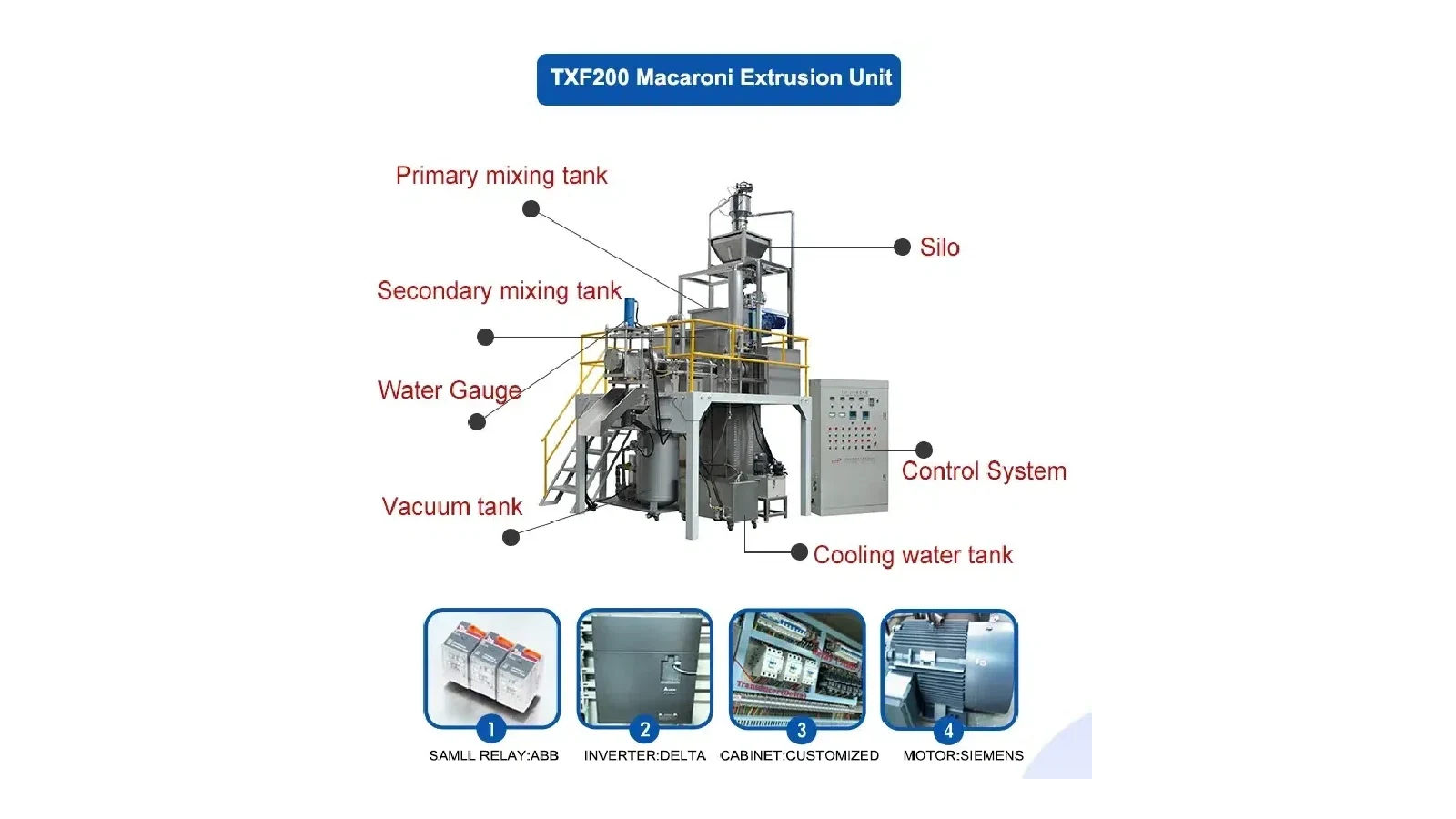
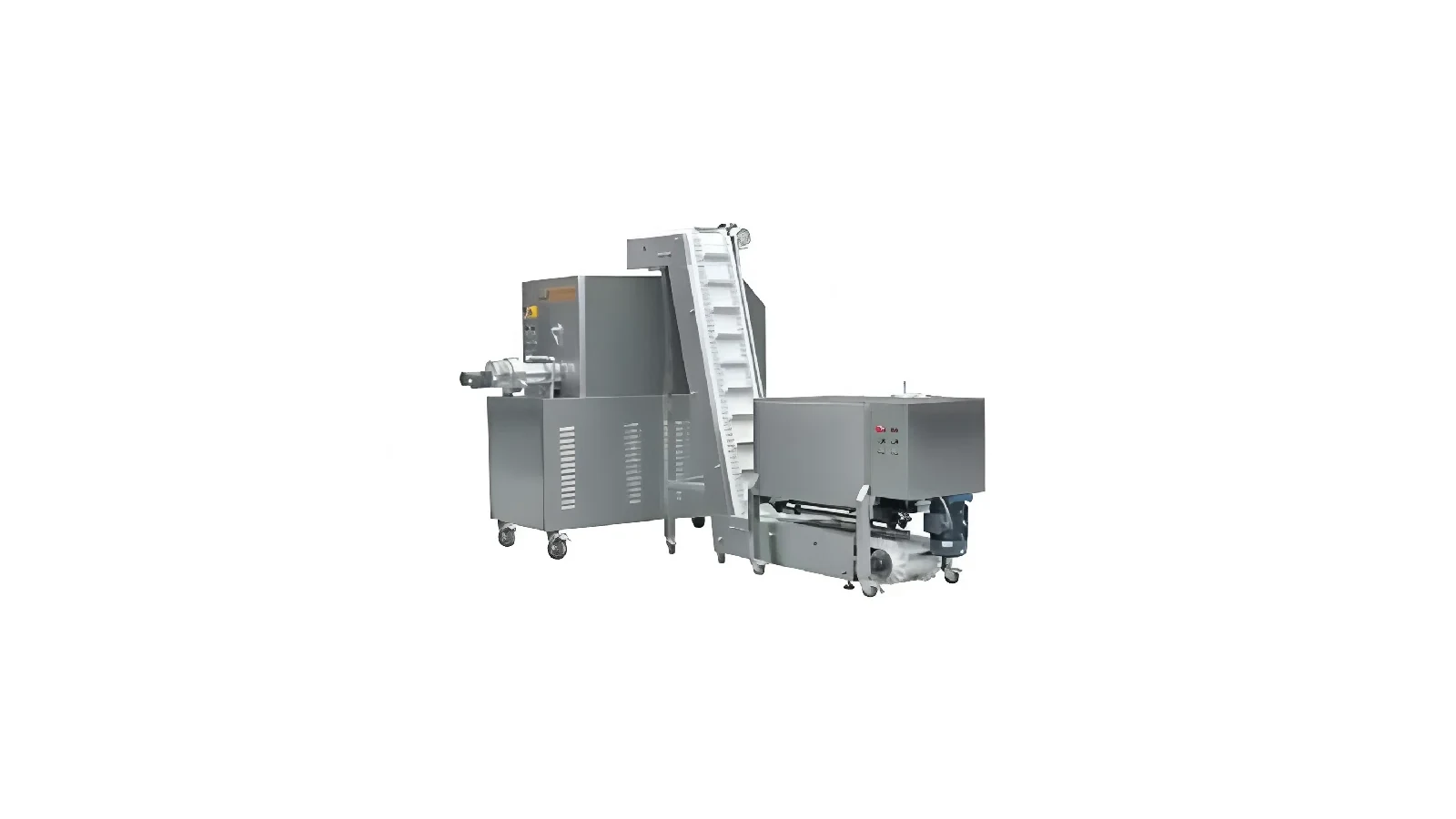
The confirmed industrial route can include flour preparation, mixing, feeding, extrusion, forming, cutting, drying, cooling, and packing. The complete macaroni production line provides equipment context. The record design must follow the buyer's actual ingredients, formula controls, lot system, production boundary, and applicable requirements.
Define the Traceability Boundary
List which materials receive controlled lot identities: flour or semolina, water source reference when required by the buyer, minor ingredients, rework when permitted, packaging materials, labels, and processing aids when applicable. Record exclusions and the competent owner for each decision.
Define the production batch. It may follow one mixer charge, several controlled charges under one work order, a named time window, or another buyer-approved unit. The definition must be stable enough for the team to connect input, process, sample, hold, and release records.
The industrial macaroni mixing and feeding brief helps define upstream information and handoff points. The traceability record focuses on identity links, not formula development or process optimization.
Capture Receiving and Release Identity
For each material lot, record supplier or internal source, material name, lot code, receipt date, quantity unit, container identity, document reference, storage location, inspection or release status, and the person authorized to change that status. Preserve original labels or controlled label images according to the buyer's procedure.
Separate physical receipt from production release. A delivered material can remain on hold while documents or checks are incomplete. The batch sheet references only the lot status available at the time of issue and records any approved exception.
Avoid copying a lot code by memory. Scanning, double-checking, or another controlled method may reduce transcription errors, but the chosen process belongs to the buyer's quality system.
Control Staging Before Mixing
Create a staging record for the product code, formula revision, planned batch, material name, source lot, issued quantity, return quantity, waste or spill status, container code, staging time, and issuer or checker. Protected formula values can remain in a restricted record while the traceability sheet preserves identity and revision.
Mark substitute lots or split containers explicitly. A material name without the lot link cannot support backward tracing. When one lot is used across several batches, each issue remains a separate row connected to the same lot code.
Connect the Mixing Batch to the Line
Assign a unique mixing-batch code and record the mixer or preparation equipment tag, start and finish time, formula revision, staged material rows, operator, status, and transfer destination. If several mixer charges feed one production order, keep each charge visible and record the agreed relationship.
At feeding or extrusion, capture the line identifier, product and mold reference, cutter or shape reference, start time, transition status, sample code, and the batch code entering the process. Time alone can be ambiguous when material remains in hoppers, conveyors, buffers, or work in process. Use the route and controlled handoff events to support the link.
Settings and observations stay tied to that batch. They are evidence for the named run and cannot be treated as universal performance values.
Preserve Identity Through Drying, Cooling, and Packing
Record how batch identity is maintained at trays, belts, dryers, coolers, buffers, containers, or other holding points in the selected route. When batches overlap physically, define the transition rule and status for material at the boundary. Label mixed or uncertain material for review rather than assigning it silently.
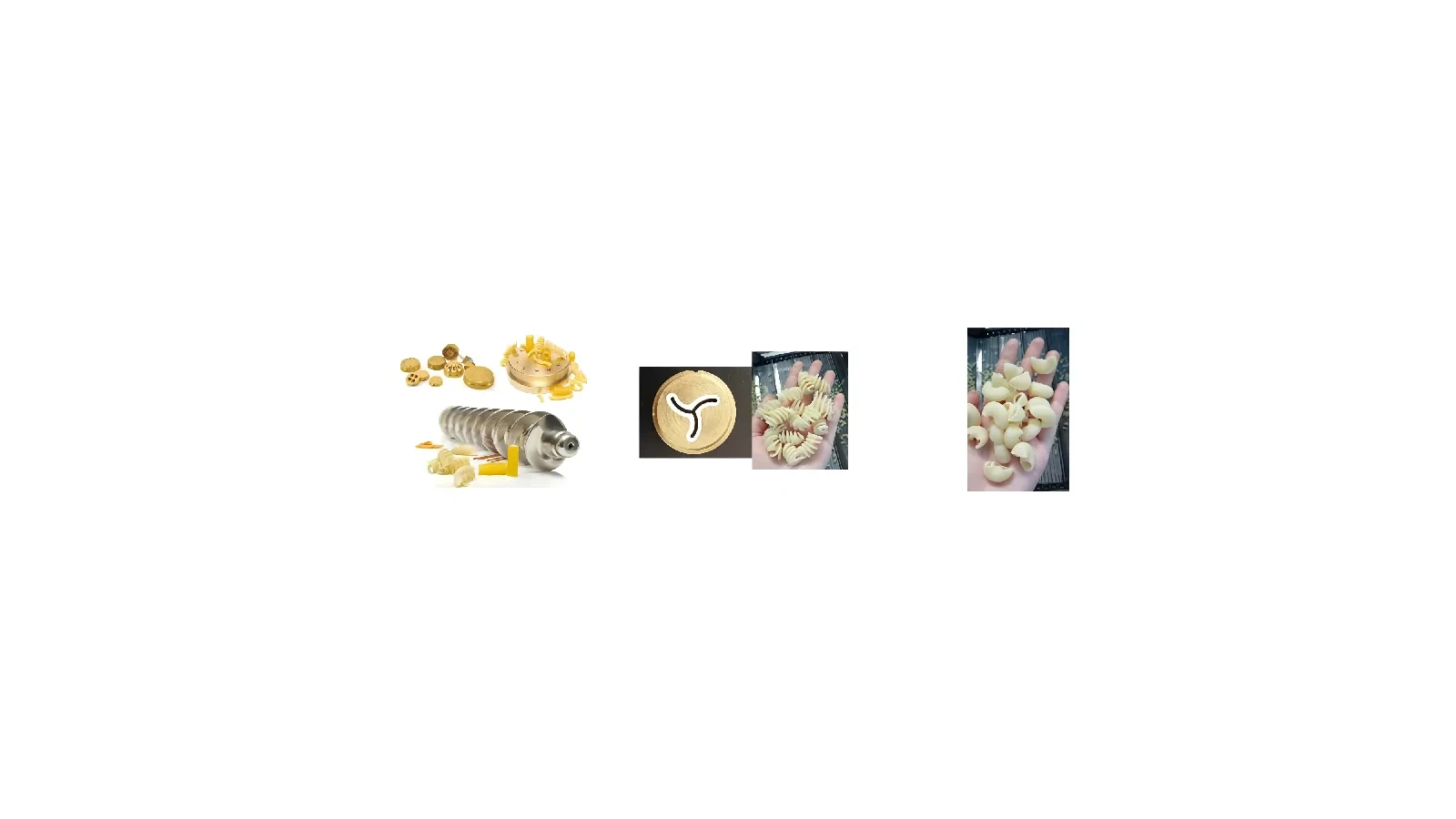
At packing, connect finished lot or pack code, packaging-material lots where required, date or code format, packer or line, quantity status, retained sample, and pallet or carton reference when included. The macaroni cooling and packing handoff guide supports the downstream boundary.
Link Finished Samples and Observations
Give every retained or review sample a code, product identity, batch, process location, time, collector, container, and status. The macaroni defect sample record can hold detailed observations when a sample shows a visible difference.
Traceability establishes which evidence belongs together. It does not prove a cause, compliance result, shelf life, or product performance. Those conclusions need their own approved methods and reviewers.
For product approval, connect the traceability record with the industrial macaroni trial and product-approval checklist. Keep the approved reference sample and its supporting batch code under controlled retention.
Manage Holds, Rework, and Corrections
Record hold number, affected lot or batch, quantity basis, physical location, reason stated as an observation or requirement, owner, decision, and release evidence. Rework enters a later batch only when the buyer's approved policy permits it; its source identity and quantity remain visible.
Corrections need the original entry, corrected value, reason, person, date, and audit trail. Replacing a file or overwriting a handwritten value without trace leaves the record unreliable.
| Record level | Minimum identity | Link forward |
|---|---|---|
| Received material | Material, source lot, receipt, status | Staging rows |
| Staged material | Lot, batch, quantity, container | Mixing batch |
| Mixing batch | Code, formula revision, equipment, time | Feed or line event |
| Line event | Product, mold, batch, transition, sample | Dryer or downstream lot |
| Finished lot | Product, code, pack status, quantity basis | Carton, pallet, retained sample |
| Hold or rework | Source identity, status, owner, evidence | Final disposition or next batch |
Related Planning Guides
- Define upstream identity with the industrial macaroni mixing and feeding brief.
- Record visible differences with the macaroni defect sample record.
- Connect traceability to the industrial macaroni trial and product-approval checklist.
Prepare the Traceability Review
Send the product code, ingredient-lot format, formula status, batch definition, route, sample plan, record fields, utilities and destination for a traceability review.