A useful defect record describes what was observed, where the sample came from, which product reference applies, and what evidence remains open. It does not start with an assumed cause. A cracked piece at packing, an uneven shape after cutting, and a surface observation after drying may look related while belonging to different batches, stages, or handling events.
The confirmed industrial route can include flour preparation, mixing, feeding, extrusion, forming, cutting, drying, cooling, and packing. The complete macaroni production line provides the equipment context. Every observation remains tied to the product, mold, formula, process record, sample location, and trial conditions.
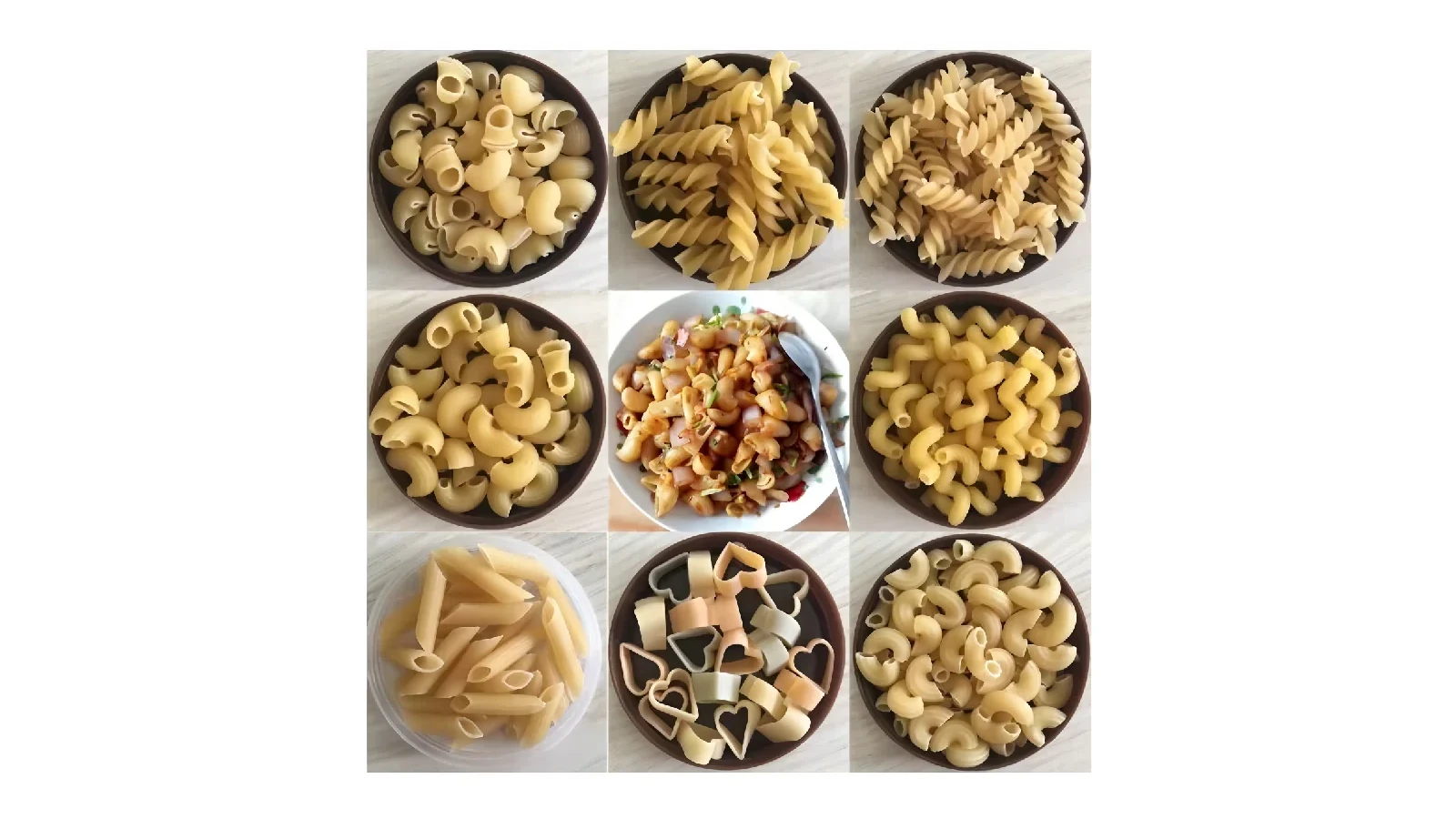
Start with an Approved Reference
Assign a product code and link it to the approved drawing, mold code, formula revision, target route, and accepted reference sample. Record which attributes are controlled by the buyer: shape, dimensions, cut length, visible surface, color range, breakage limit, cooking test, packaging condition, or another project requirement.
The industrial macaroni trial and product-approval checklist defines the wider approval process. The defect record serves one narrower purpose: preserve an observed difference and the evidence needed for review.
When no approved reference exists, label the observation as a comparison request rather than a confirmed defect.
Give Every Sample a Complete Identity
Use a unique sample code. Record date and time, product code, batch or trial number, mold, formula status, line, process location, collector, and container. Identify whether the sample came from startup, stable running, a planned adjustment, shutdown, transfer, storage, or packing.
Collect a comparison sample from the approved point when possible. Keep the affected and comparison samples separate and labeled. Sample handling, retention, and disposal follow the buyer's qualified procedure and applicable requirements.
Describe Visible Condition Before Discussing Cause
Use observable terms: broken piece, visible crack, irregular cut, distorted profile, rough area, color difference, surface mark, stuck pieces, loose fines, or package damage. Record count or mass only with an approved method and defined sample size.
Avoid broad labels such as “bad drying” or “wrong extrusion” in the observation field. Those are hypotheses that require process and equipment evidence. A cause-review section can list each hypothesis, supporting evidence, conflicting evidence, owner, and next test.
The existing industrial pasta mold and shape-changeover guide helps separate mold identity from later process observations.
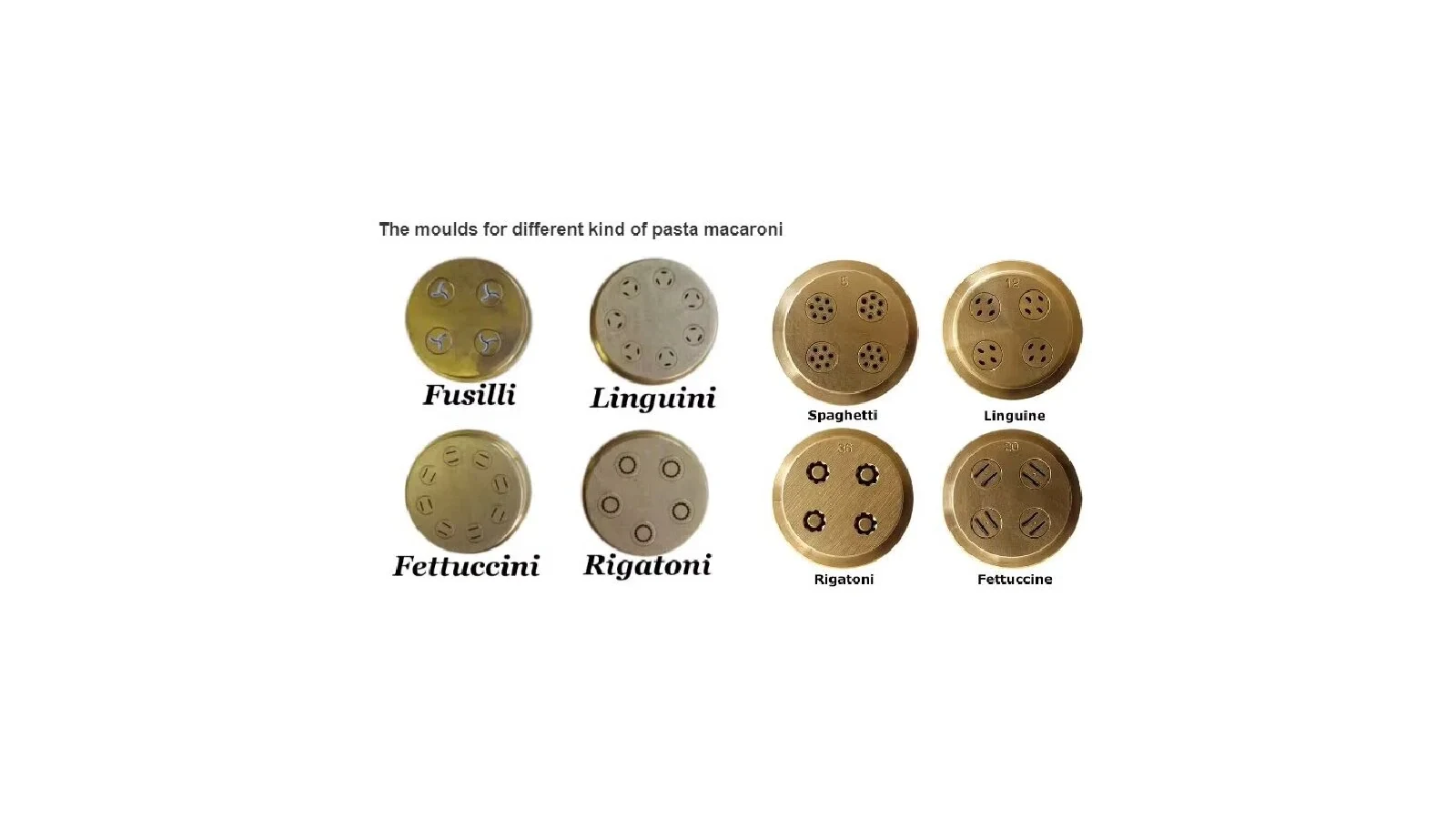
Record the Process Location Precisely
Mark the sampling point on a simple route diagram. Useful points may include mixer discharge, extruder discharge, cutter, dryer inlet, dryer outlet, cooler outlet, buffer, packer feed, sealed pack, and carton when those stages are in scope.
Location changes the interpretation. A piece collected at the dryer inlet cannot directly prove final pack condition. A broken piece found in a carton cannot by itself establish where breakage occurred. Record upstream and downstream comparison samples when the review needs that distinction.
Add machine and instrument references from the approved run record. Settings and readings stay linked to that batch and cannot be treated as universal values.
Use Controlled Photos and Measurements
Photograph the sample label, the full sample set, the affected feature, and the comparison sample. Use consistent background, lighting, orientation, and scale where practical. Include a ruler or gauge only when the measurement endpoints are clear.
Connect every photo to the sample code and view description. Image editing should not hide color, surface, or breakage evidence. A photograph supports a visible observation but cannot prove hidden moisture, composition, strength, or cooking performance.
For dimensions, record the measurement tool, unit, method, and original readings. Keep calculated summaries beside the underlying observations.
Separate Drying Evidence from Product Appearance
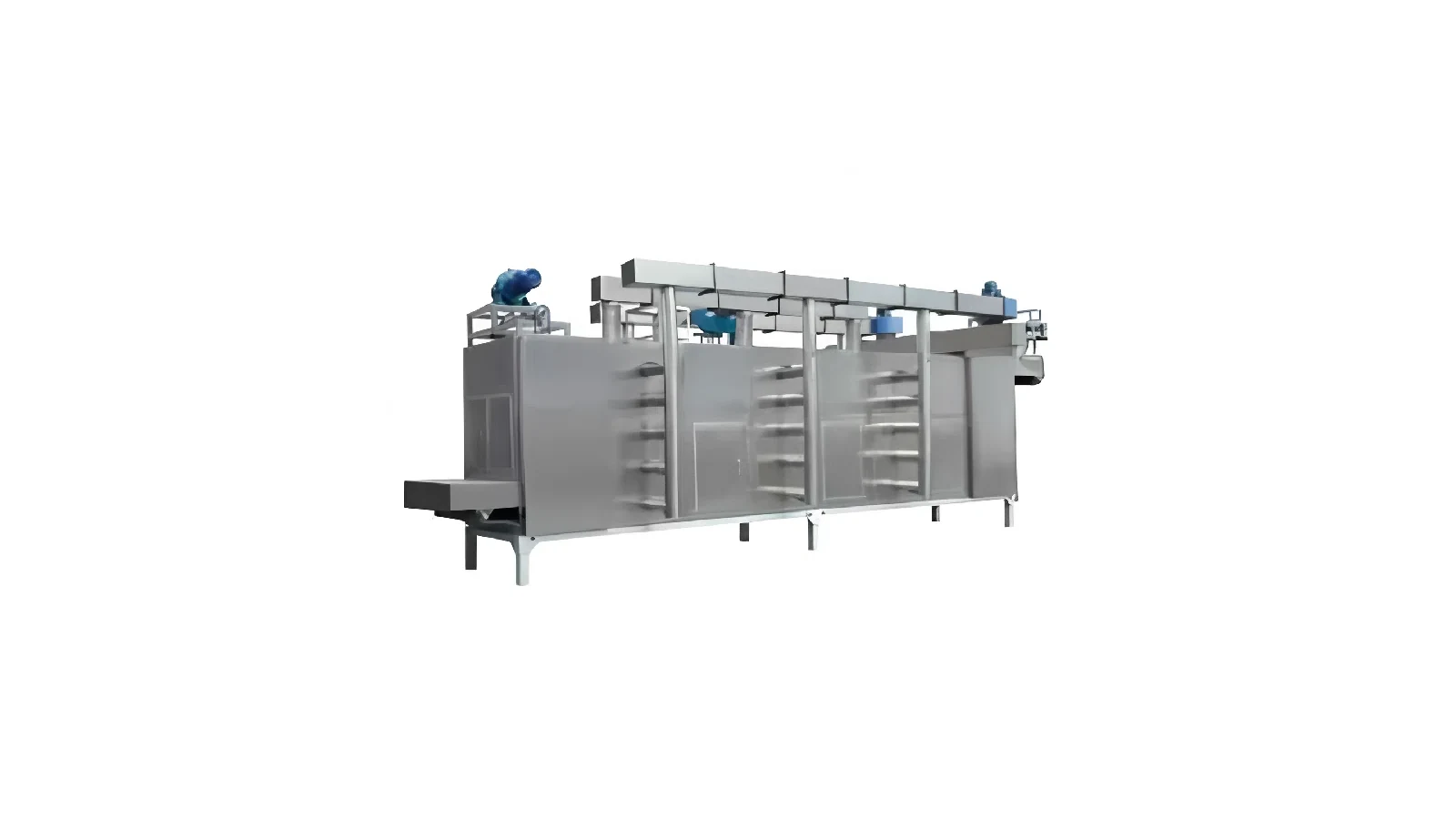
Drying-related review may need product identity, loading pattern, location, time, recorded settings, inlet and outlet sample codes, and any approved measurement results. The existing industrial pasta drying guide provides the buyer questions for that stage.
Visible cracks or color differences alone cannot establish a drying cause. Formula, forming, cutting, transfer, cooling, storage, and packing may also need evidence. Keep the conclusion open until the responsible team completes the review.
Record frequency and distribution only when the sampling plan is controlled. A single affected piece, repeated pieces from one location, and observations across several batches are different evidence patterns. Keep the original counts and locations visible so reviewers can distinguish an isolated sample from a repeatable condition.
Protect the Cooling and Packing Boundary
For breakage observed after cooling or packing, record the condition at cooler outlet, transfer points, packer feed, finished bag, and carton when accessible. Add pack format, target weight, handling event, and retained-pack code.
The existing cooling and packing handoff guide supports the boundary map. The defect record keeps the observed sample and disposition under one identity.
Use a Closeout Table
| Record field | Required entry | Review value |
|---|---|---|
| Product reference | Shape, mold, formula, approved sample | Defines comparison basis |
| Sample identity | Batch, time, location, collector | Preserves traceability |
| Observation | Visible condition and sample size | Separates fact from cause |
| Evidence | Photos, measurements, run references | Supports review |
| Hypothesis | Basis, conflict, owner, next test | Keeps diagnosis controlled |
| Disposition | Hold, release, rework, further test | Names the responsible decision |
| Closeout | Result, date, reviewer, linked record | Prevents open issues disappearing |
Related Planning Guides
- Control product identity with the industrial pasta mold and shape-changeover guide.
- Keep drying evidence stage-specific with the industrial pasta drying guide.
- Map downstream evidence with the macaroni cooling and packing handoff guide.
Prepare the Evidence Review
Send the approved product reference, formula status, mold code, sample labels, process locations, photos, trial settings record and destination for an evidence review.