An industrial macaroni project can have one production route and many commercial SKUs. Different shapes, target weights, bag formats, labels, cartons, markets, and changeover expectations create separate packaging requirements. If they are compressed into one sentence, a quotation may cover only the easiest pack while buyers assume the whole portfolio is included.
The confirmed complete route can include flour preparation, mixing, feeding, extrusion, forming, cutting, drying, cooling, and packing. A packaging SKU matrix begins with the product leaving cooling and turns each planned sale unit into a controlled row. The complete macaroni production line provides the equipment context. Exact packaging equipment and performance remain subject to the product, pack materials, selected configuration, trial, and approved supplier scope.
Create One Row for Every Real SKU
Assign a buyer SKU code and product name to every intended combination of shape, target net weight, pack style, and market variant. Separate rows are useful when the same pasta shape uses different weights, languages, film structures, closures, or carton quantities. Mark concept rows as provisional so they cannot silently become purchase requirements.
Identify the first-launch portfolio and later options. This lets suppliers quote the initial change parts and reserve later shapes or formats for confirmation. It also stops an untested future pack from delaying approval of the current scope.
Use the macaroni line capacity planning guide for production demand. The SKU matrix serves a different purpose: it translates that demand into product and pack combinations.
Attach Product Evidence to Each Row
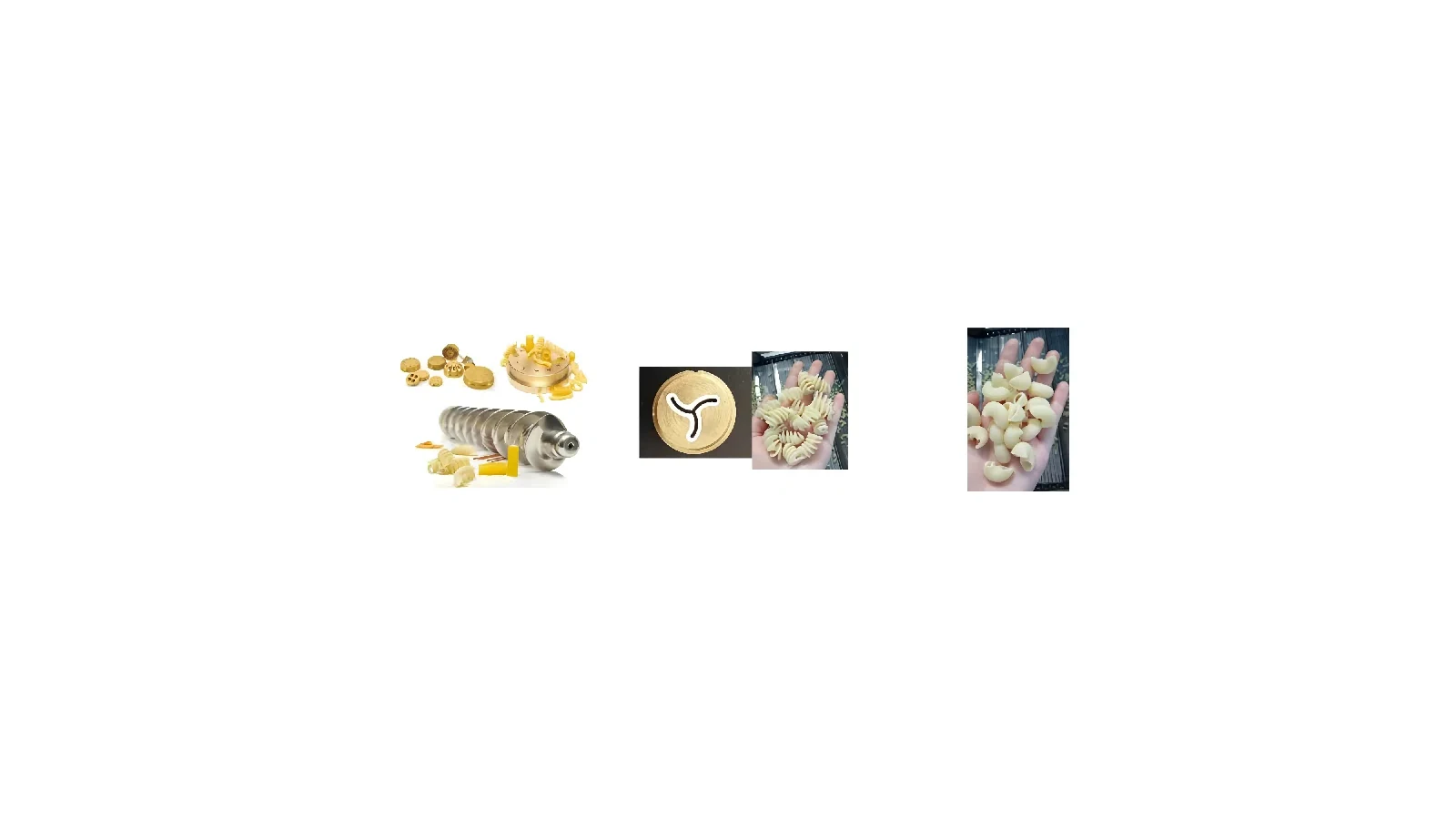
Record the shape family, dimensions from an approved drawing or sample, cut length where relevant, visible surface features, fragility concerns, and the condition expected at packing. Link the row to the approved mold or product sample code. Keep shape capability conditional until the mold, formula, process, and trial are confirmed.
Finished product from different shapes may not occupy the same package volume at equal net weight. Send representative samples and filled reference packs where possible. If only drawings exist, mark bag-size and handling decisions as trial-pending.
The existing industrial pasta mold and shape-changeover guide supports the shape evidence and change-part discussion without replacing the packaging row.
Record Pack and Carton Requirements
For each SKU, list target net weight, accepted weight basis, bag style, finished bag dimensions, film reference, closure, code area, label status, and display orientation. Add the required packs per minute as a project target and state whether it is calculated, desired, or already demonstrated.
Continue the row into secondary packing. Record packs per carton, carton dimensions or drawing status, case closure, code position, and the next handling step. Pallet and warehouse requirements can be referenced when included. Avoid assuming that a primary pack quotation also covers cartons, case handling, palletizing, or inspection.
Materials, food-contact, labeling, weights-and-measures, and market compliance remain subject to the buyer's competent review and applicable rules. The matrix records the requirement and evidence owner rather than making a broad compliance promise.
Draw the Cooling-to-Packing Boundary
The existing macaroni cooling and packing handoff guide provides the upstream product-condition and interface questions. In the SKU matrix, record the expected handoff point, elevation, direction, available buffer, and responsible supplier for transfer equipment.
List functions individually: product transfer, accumulation, feeding, weighing, bag forming or presentation, filling, sealing, coding, checkweighing, inspection when specified, take-away, case packing, and pallet handling. Give each function an included, excluded, buyer-supplied, or confirmation-required status.
Plan Pack and Product Changeovers
Add the shared and unique components for each row. Product-contact parts, feeding devices, weighing setup, bag former or format parts, code data, film roll, labels, and carton setup may change independently. The supplier confirms the actual change parts for the proposed system.
Build a proposed production sequence around the first-launch SKUs. Grouping compatible pack formats may reduce setup activity, but the final sequence also depends on product, drying, cooling, cleaning, labeling, inventory, and buyer policy. Record assumptions and owners instead of claiming a universal best sequence.
For every change, identify the approval sample and first-pack checks. The matrix can include pack weight, seal observation, code readability, visible breakage, bag appearance, and carton count when those checks are part of the agreed trial.
Use Representative Trials to Close Open Rows
The existing industrial macaroni trial and product-approval checklist helps define the product evidence. Extend that record with actual film, target weight, pack dimensions, sample size, run phase, and accepted reference packs for the packaging review.
Test the most demanding distinct rows rather than assuming one easy SKU represents every shape and format. The buyer and suppliers can agree which rows need a full trial, which can use documented common parts, and which remain future options.
Use a Controlled Matrix
| Matrix field | Buyer input | Supplier confirmation |
|---|---|---|
| SKU identity | Code, market, launch phase | Quoted row and revision |
| Product | Shape, dimensions, sample code, condition | Handling basis and open tests |
| Primary pack | Weight, style, dimensions, film, code | Supported format and change parts |
| Secondary pack | Carton count, dimensions, closure | Included equipment and interface |
| Rate | Required packs per minute and operating pattern | Trial basis and limitations |
| Boundary | Handoff, buffer, elevation, function owner | Included and excluded supply |
| Acceptance | Trial materials, checks, retained packs | Witness points and closeout |
Give the matrix a revision number and approval owner. Attach drawings and sample identifiers rather than copying uncontrolled values into emails. The approved matrix then becomes a stronger quotation reference, while any untested row remains visibly open.
Related Planning Guides
- Define the upstream condition with the macaroni cooling and packing handoff guide.
- Control shape evidence with the industrial pasta mold and shape-changeover guide.
- Plan representative evidence with the industrial macaroni trial and product-approval checklist.
Prepare the Packaging-Scope Review
Send the shape list, product samples, SKU table, target weights, pack drawings, carton plan, output target, utilities and destination for a packaging-scope review.