An industrial pasta mold defines the product's basic profile, but a shape change is not only a tooling swap. The cutter, raw material, extrusion settings, drying, cooling and handling plan must be reviewed together. Buyers get a more reliable proposal when they submit a dimensioned product reference and the intended process rather than only a pasta name.
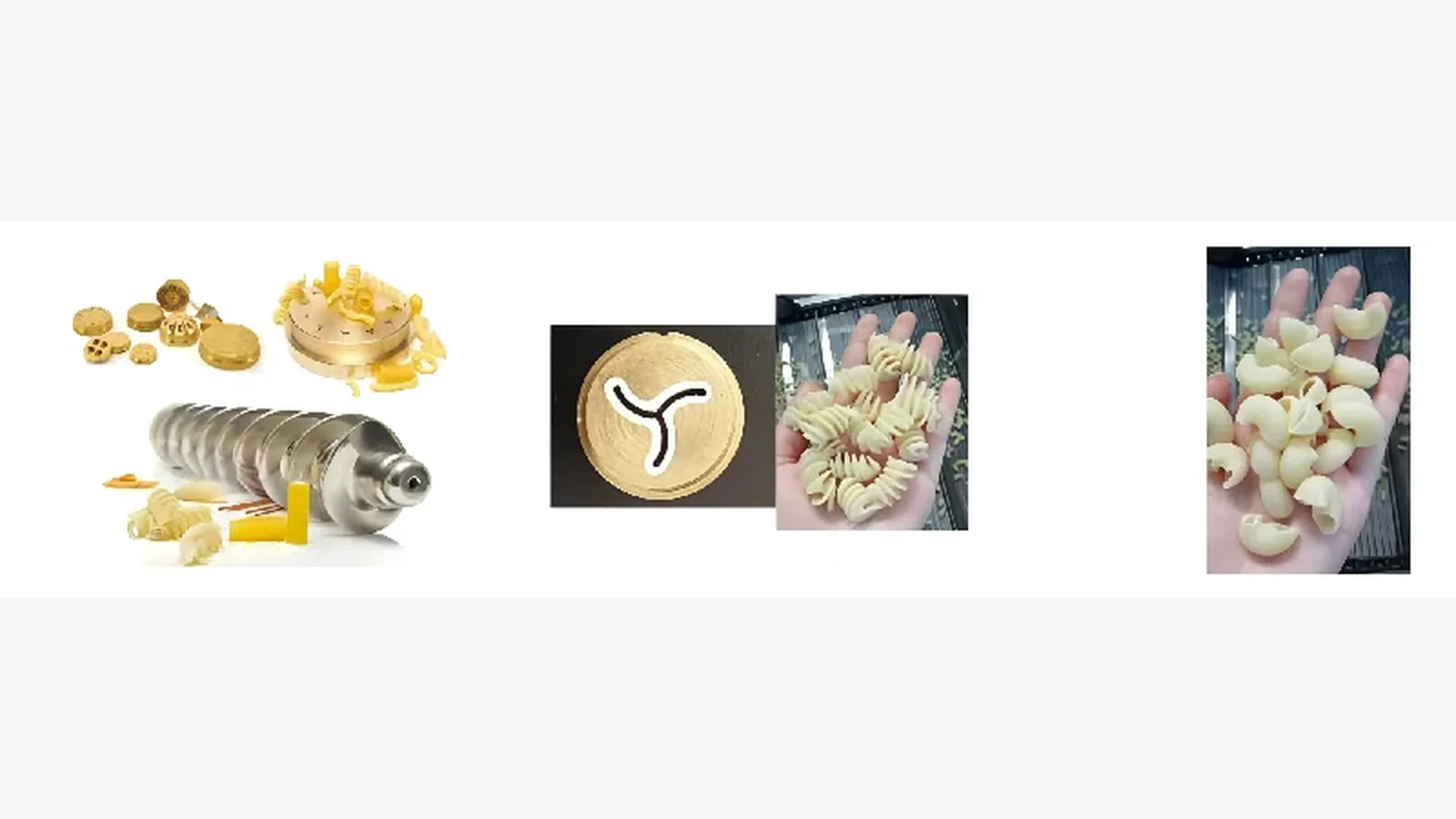
This guide covers Zhuoheng's confirmed industrial macaroni and short-cut pasta scope on 100–500 kg/h factory projects. It does not promise that every pasta shape is available and does not extend the current scope to spaghetti or instant noodles without separate technical confirmation.
Define the Product Geometry Precisely
Product names vary by market. A request for “macaroni,” “penne” or “shells” can still leave important dimensions unknown. Provide front, side and cross-section views. Add a ruler, caliper readings or a drawing so scale is clear.
For tubular products, record outer diameter, inner opening, wall thickness, cut length and end angle where relevant. For twisted, curved or shell-style products, provide overall width, height, depth and the features that must remain visible after processing. State acceptable tolerances if the buyer already has a controlled specification.
The industrial macaroni application page and short-cut pasta application page identify the confirmed product directions. They are starting points for a feasibility discussion, not universal mold catalogs.
Separate What the Mold and Cutter Control
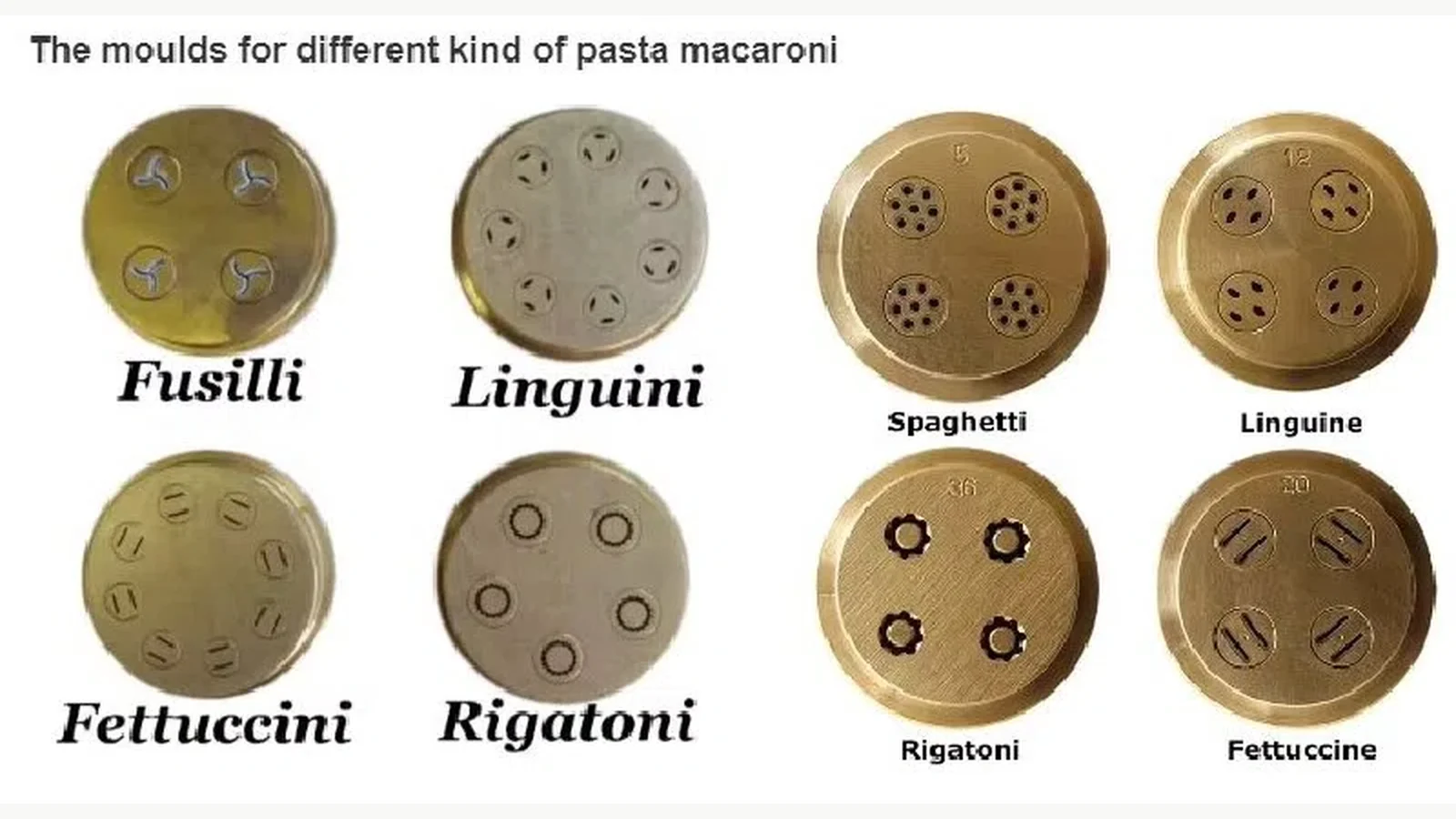
The die opening forms a continuous profile. The cutting system creates the final length or works with the forming method required by the product. A changeover therefore needs both a mold reference and a cutting brief.
| Item | Main question | Buyer evidence |
|---|---|---|
| Mold profile | What cross-section must be formed? | Cross-section image, dimensions and sample |
| Cutter | What length and end form are required? | Side view, cut length and tolerance |
| Raw material | Which flour or semolina system will be used? | Material specification and formula status |
| Line output | At what confirmed production requirement? | Normal demand, productive hours and SKU mix |
| Drying route | How will the new geometry be dried and verified? | Shape, wall, loading and acceptance brief |
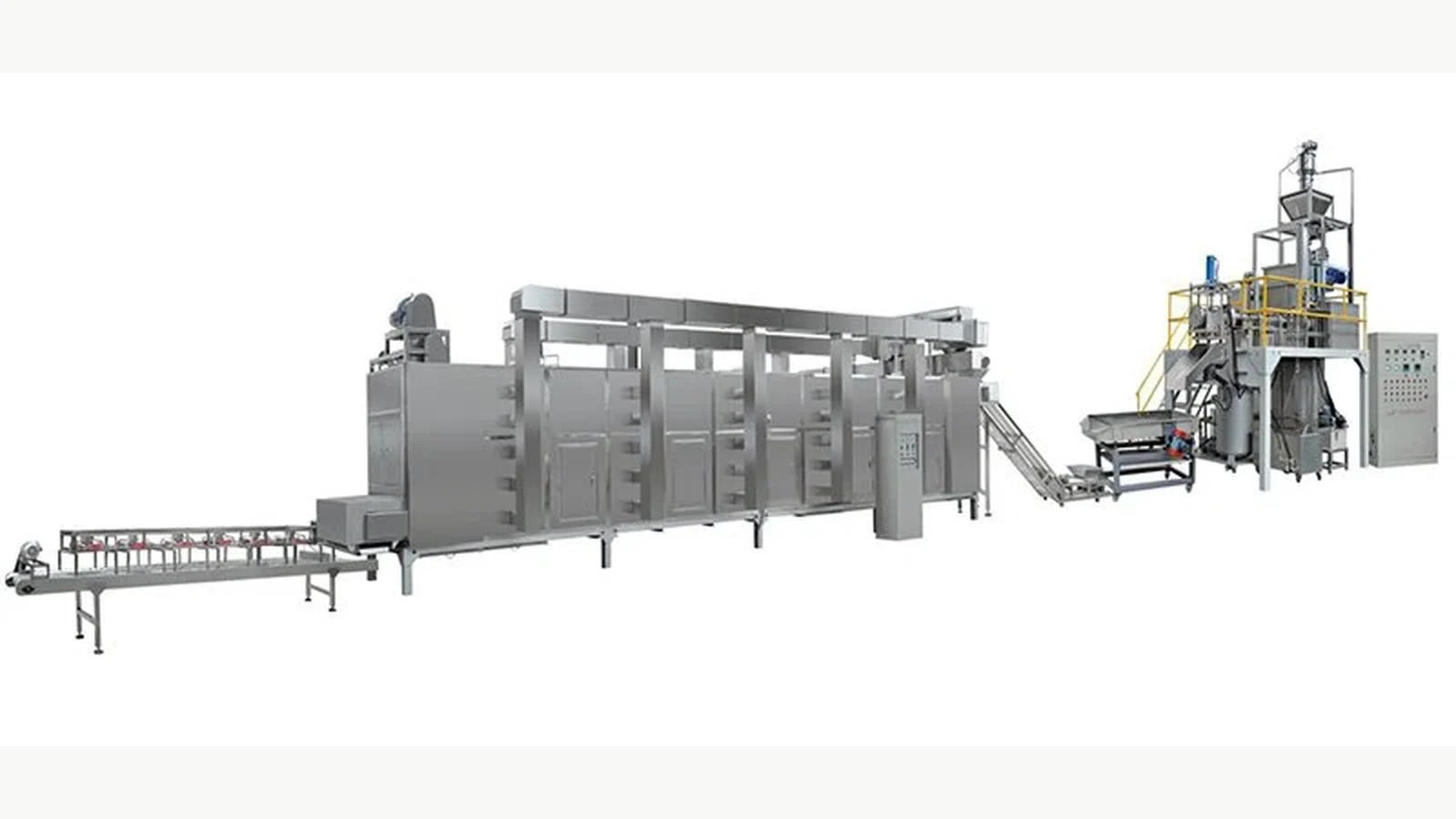
The complete industrial macaroni production line keeps the mold and cutter inside the full sequence of preparation, mixing, feeding, extrusion, forming, cutting, drying, cooling and packing.
Review Raw Materials and Forming Together
Wheat flour and semolina or durum-based materials can behave differently. Water addition, formula status and material consistency also affect forming. Avoid approving a mold from appearance alone while leaving the intended material undefined.
For a new product, state whether the buyer has an existing formula, a benchmark sample or only a visual concept. That distinction helps the technical review separate confirmed tooling work from product-development questions. Final texture, color and cooking result should not be guaranteed from the die drawing.
Include Drying in Every New-Shape Review
A thicker wall, narrow opening, tight curve or different cut length can change how product loads, transfers and releases moisture. Even when the same dryer remains in the line, the process settings and loading plan may need review.
Use the industrial pasta drying guide to prepare shape, material, output, loading, utility and acceptance information. A successful setting for one product should not be copied to a new shape without verification.
The buyer should decide who defines the target product condition, how samples will be measured and what happens if a shape forms correctly but does not meet the drying or handling requirement. These are project responsibilities, not details to leave until commissioning.
Plan the Changeover Around Product Mix
List the planned shapes and their share of production. Group compatible products where practical and account for shutdown, cleaning, tool handling, cutter adjustment, startup material and verification. A line with many short runs can deliver fewer saleable hours than the same line running one core product.
The industrial macaroni capacity guide explains why the 100, 200, 300 or 500 kg/h reference should be tested against productive hours and changeover losses. Choose the line from demand and product mix, not from the largest number in a model table.
Use a Controlled, Documented Procedure
The actual changeover follows the supplied manual, machine-specific procedure and the factory's safety system. A planning sequence should cover:
- confirming the next product order and tooling identification;
- safely completing the previous run and managing remaining material;
- isolating equipment before access;
- cleaning and inspecting product-contact and fastening areas;
- removing, protecting and storing the previous tooling;
- installing the confirmed mold and cutter components;
- restoring guards and checking the line before restart;
- segregating startup product and recording verification results.
Trained staff, safe lifting and hot or moving-part controls are site-specific requirements. A generic time estimate or simplified article cannot authorize bypassing the factory procedure.
Verify the Entire Line After Restart
Inspect profile, dimensions and cut quality first. Then review transfer, sticking, breakage, dryer loading, cooling and packing behavior. The acceptance plan should state which measurements belong to the buyer, supplier or jointly witnessed test.
If the profile is correct but downstream performance changes, investigate material, extrusion, cutting, drying and handling as a system. Replacing the die again may not address the actual cause.
Industrial Pasta Mold RFQ Checklist
Prepare the following before requesting tooling or a multi-shape line:
- product name plus front, side and cross-section photos;
- physical sample or dimensioned drawing where available;
- outer and inner dimensions, wall thickness and cut length;
- raw material and formula status;
- priority shapes and expected production share;
- target line output and productive schedule;
- existing machine or proposed TXF line reference;
- industrial drying, cooling and packing route;
- changeover frequency and cleaning expectations;
- buyer-defined product checks and tolerances;
- voltage, destination and requested supply boundary.
The macaroni project cost guide shows why molds, downstream stages and project services must remain visible in quotation comparisons. Send the shape package through the contact page for technical review before the mold list is finalized.